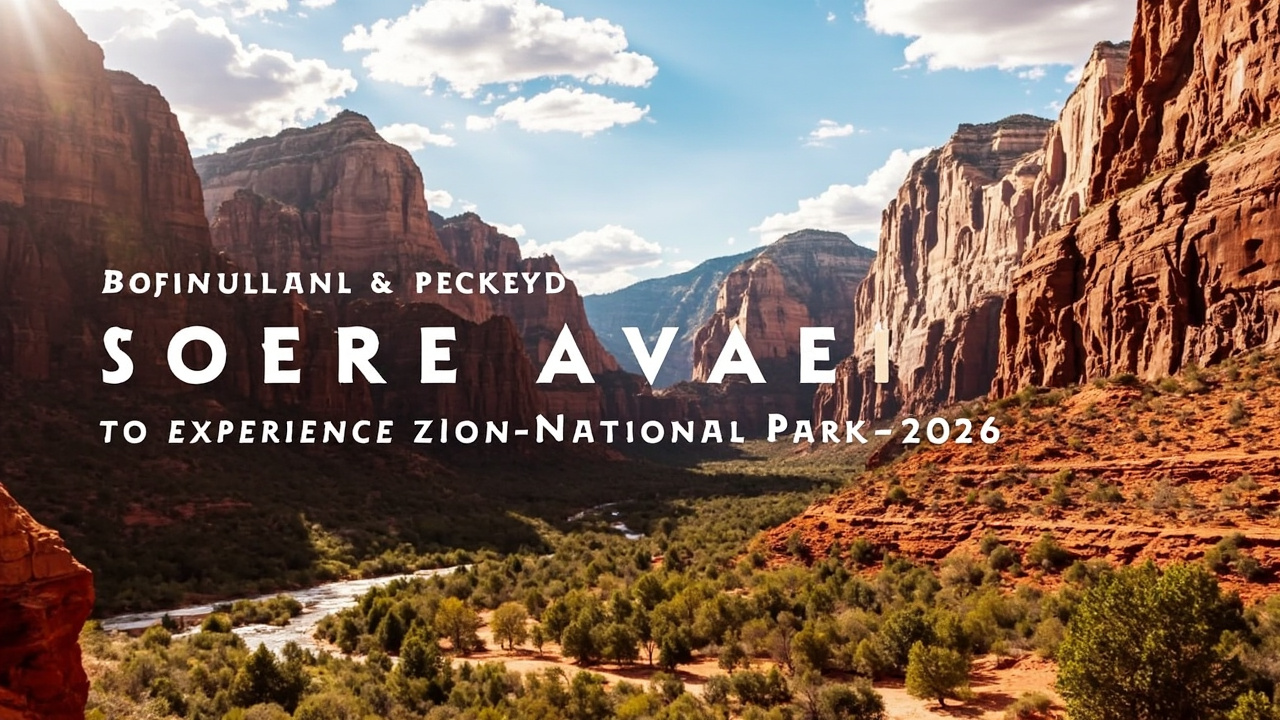
Let me be real with you: Zion National Park is breathtaking. The towering Navajo sandstone cliffs, the impossibly green hanging gardens fed by cascading waterfalls, the Virgin River threading through a canyon 15 miles long and up to half a mile deep—it's the kind of place that makes you understand why people cry at national parks.
But here's what the glossy travel magazines don't show you: the summer traffic jams, the parking lots that fill by 9 AM, and the National Park Service's recent implementation of a mandatory shuttle system during peak season. Going in unprepared is basically volunteering for frustration.
So let's do this right. Here's how to actually enjoy Zion.
Understanding the Shuttle System (Your New Best Friend)
Since 2000, Zion has operated a mandatory shuttle system during peak season (roughly March through October). Here's the deal: you park outside the park, board a shuttle, and ride it into the canyon. No personal vehicles past the Zion Canyon Visitor Center during operating hours.
This sounds annoying. I know. But here's the thing—it works. Without it, the scenic drive would be a parking lot. The shuttles run frequently, and honestly, they're a more relaxing way to experience the canyon than sitting in traffic anyway.
Pro tip: Book your shuttle ticket online at recreation.gov before your trip. Same-day tickets can sell out during busy periods, and nobody wants to drive to Zion and then get turned away.
The Trails: Picking the Right One for Your Group
Angel's Landing (Hard) — Not for the Faint of Heart
I need to be upfront: Angel's Landing is one of the most iconic hikes in America, but it's also dangerous. The final half-mile involves chains, exposure to sheer drop-offs, and real consequences for mistakes. In 2022, the trail required a permit for day hiking due to overcrowding and safety concerns.
If you attempt this hike:
- Start extremely early (think 5:30 AM shuttle)
- Wear proper hiking shoes, not flip-flops
- Know your limits and turn back if conditions feel wrong
- Children under 12? Probably skip this one
The views from the top are genuinely unforgettable. But so is falling. Make your own call, but make it an informed one.
The Narrows (Moderate to Hard) — Walk Through a River
This is my favorite activity in the park. The Narrows means wading and sometimes swimming through the Virgin River as it narrows to just 20-30 feet wide between towering canyon walls. At certain points, you're surrounded by 1,000-foot walls of sandstone.
You can do a short out-and-back from the Temple of Sinawava (the shuttle stop), or you can obtain permits for the full through-hike from the top down (15+ miles, requires technical gear and experience).
For most visitors: rent waterproof boots and a hiking pole from outfitters in Springdale (the town just outside the park), and plan for the full day if you want to go deep.
Emerald Pools Trails (Easy to Moderate) — Family-Friendly Beauty
Here's where families with young children or anyone seeking a gentler experience can still see incredible scenery. The Lower and Middle Emerald Pools trails are relatively flat and well-maintained, leading to serene pools and waterfalls. The Upper Emerald Pools adds more elevation but more solitude.
Combine the Emerald Pools with the scenic drive and you've got a satisfying day without pushing anyone's limits.
Weeping Rock (Easy) — Quick Reward
A short quarter-mile walk leads to a rock face where water seeps through the sandstone, creating a constantly dripping curtain of moisture that feeds delicate moss and ferns. It's a five-minute effort for a uniquely lush experience in the middle of desert canyon country. Perfect for hot days when you want maximum beauty for minimum exertion.
The Scenic Drive: Don't Skip It
Even without hiking, the Zion Canyon Scenic Drive offers incredible views from the road. Pull off at the overlooks, snap photos of the towering Court of the Patriarchs, and appreciate that the shuttle system means you're not dodging traffic while you admire the view.
The drive is particularly spectacular at sunrise and sunset when the sandstone glows orange and pink.
When to Go: Timing Matters More Than You Think
Best times: Late April through early June, and September through mid-October. Spring brings wildflowers; fall offers perfect hiking weather and fewer crowds.
Avoid if possible: Memorial Day through early August. The crowds are intense, temperatures can hit 100°F+, and you'll spend half your trip waiting.
Winter visits are underrated. The canyon floor trails are less crowded, temperatures are mild during the day, and snow on the red rocks creates a striking contrast. Some facilities are closed, but the experience is magical if you don't need amenities.
Practical Tips That Actually Matter
Stay in Springdale if you can. The town is right outside the park entrance, and walking to the visitor center beats fighting for parking.
Reserve accommodations early. Springdale fills up fast, and the next nearest towns are 30+ minutes away.
Bring more water than you think. The desert is deceptively dry. One liter per person per hour of hiking is a good baseline in warm weather.
The Subway and The Narrows Top-Down require permits through a lottery system. If these are on your bucket list, enter the lottery well in advance.
Download offline maps. Cell service in the park is unreliable, and getting lost in the backcountry is genuinely dangerous.
The Visitor Center: Start Here
Yes, it's obvious advice. But genuinely, the Zion Canyon Visitor Center should be your first stop. The rangers are fantastic sources of current trail conditions, weather advisories, and hidden-gem recommendations. They can tell you which trails are closed, where wildlife has been spotted recently, and which overlooks are worth your limited time.
The Junior Ranger program for kids is excellent—it's educational, engaging, and gives young visitors a sense of stewardship for the park.
Final Thoughts
Zion National Park deserves its reputation as one of America's crown jewels. The scale of the canyon, the play of light on the rock faces, the alien beauty of the desert—it's a place that reminds you why protected wilderness matters.
But it also requires some planning. This isn't a park you can wing successfully during peak season. Do your homework, wake up early, and respect the shuttle system. In return, you'll get one of the most memorable experiences in the American West.
Now get out there—but leave no trace.
Happy travels! If you found this useful, check out our guides to booking cheap flights and finding the best accommodations near major national parks.