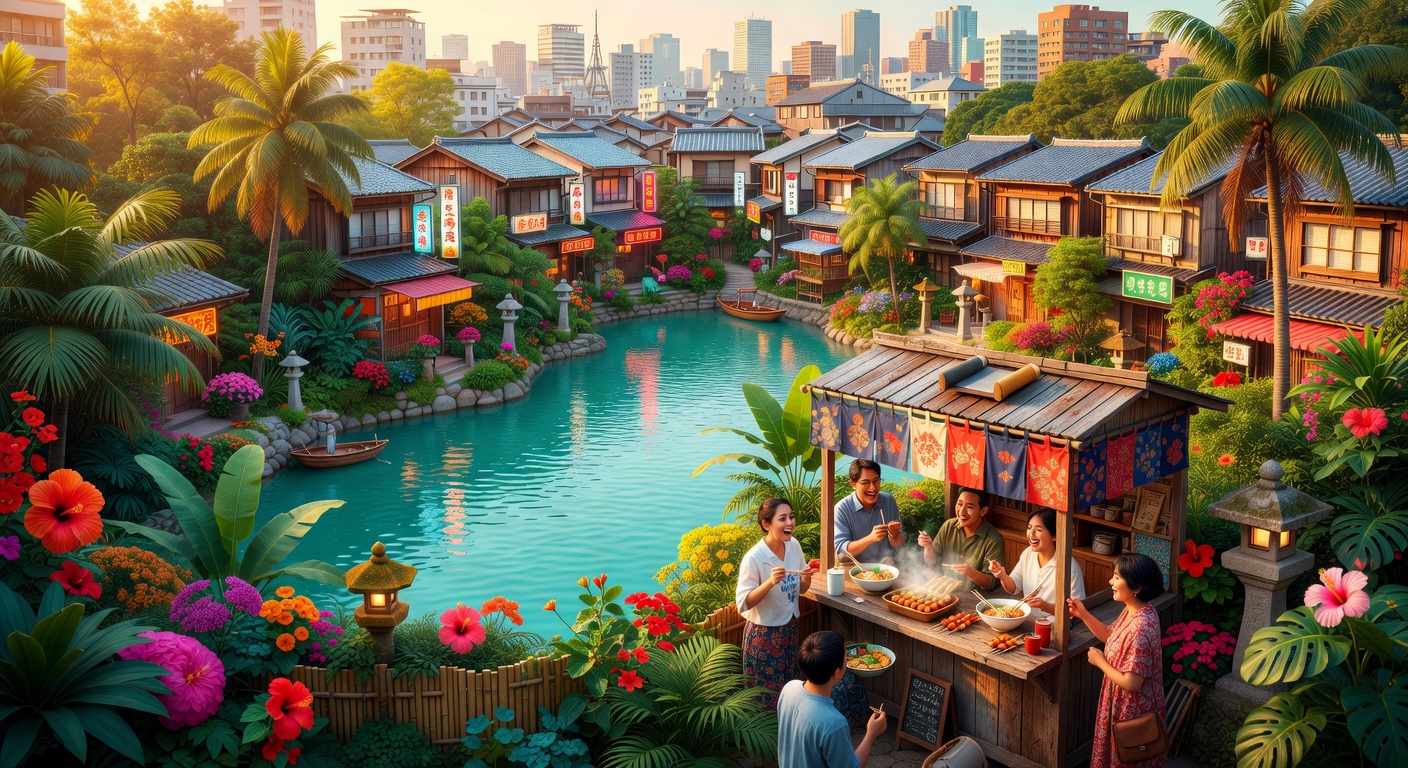
Tokyo hits differently when you step off the beaten path. Sure, you could join the masses at Shibuya Crossing or wait in line for hours at that famous ramen shop everyone talks about. But after exploring Tokyo dozens of times, I've learned that the city's real magic happens in quiet neighborhoods, family-run workshops, and intimate cultural experiences that most tourists never discover.
Why Local Experiences Beat Generic Tours
Let me be honest — I used to be that traveler who booked the standard Tokyo city tour and called it a day. Big mistake. The best memories I've made in Tokyo happened when I connected with locals who were genuinely passionate about sharing their culture, not just going through the motions for tourist dollars.
These authentic experiences don't just show you Tokyo; they help you understand it. You'll leave with stories your friends back home have never heard and skills you can actually use.
The Art of Japanese Cooking (Beyond Sushi)
One of my most treasured Tokyo memories happened in a tiny apartment in Shibuya, where a grandmother named Yuki taught me to make perfect gyoza from scratch. No fancy studio, no cameras — just her kitchen table, three other travelers, and the most incredible dumplings I've ever tasted.
What made it special wasn't just the cooking (though learning her secret folding technique was gold). It was hearing about her childhood in post-war Tokyo while we waited for the gyoza to crisp up. These cooking experiences typically run around $60-80 per person and last 2-3 hours — way better value than most restaurant meals when you factor in everything you learn.
Pro tip: Book cooking classes in residential neighborhoods rather than tourist areas. The hosts are usually more relaxed, and you'll see how real Tokyoites live.
Tea Ceremony: Beyond the Tourist Performance
Skip the formal tea ceremony demonstrations in hotels. Instead, find a local tea master who practices in their own home or a traditional tea house tucked away in quiet neighborhoods.
I stumbled upon one in Yanaka (Tokyo's old-town district) where the host, Tanaka-san, had been practicing tea ceremony for over 40 years. For 90 minutes, I learned not just the movements but the philosophy behind each gesture. The meditative quality was incredible — exactly what I needed after Tokyo's sensory overload.
The best part? Learning to find that same mindfulness in daily life. I still use the breathing technique he taught me whenever travel stress kicks in.
Sake Tasting with a Twist
Forget the crowded sake bars in Shinjuku. The most eye-opening sake experience I had was with a certified sake sommelier who took our small group through six different prefectures' offerings in her cozy apartment.
We learned to identify flavor notes, understand the brewing process, and — this blew my mind — pair sake with foods I never would have imagined. Who knew sake goes incredibly well with chocolate?
These intimate tastings usually include local snacks and run about $70-90 per person. When you consider you're getting expert knowledge plus quality sake, it's actually quite reasonable.
The Lost Art of Calligraphy
In our digital world, there's something deeply satisfying about creating something beautiful with your hands. I spent an afternoon in a traditional calligraphy studio in Asakusa, learning to write basic characters and understanding how each brushstroke carries meaning.
The instructor, a patient woman in her sixties, helped me write my name in Japanese characters. Watching her demonstrate was mesmerizing — each movement was deliberate and graceful. I left with a scroll of my work (terrible but treasured) and a new appreciation for this ancient art form.
Street Photography Walks
Tokyo is incredibly photogenic, but navigating the etiquette around photography can be tricky. I joined a local photographer for a morning walk through Tsukiji Outer Market and nearby neighborhoods, learning not just technical skills but cultural sensitivity.
He taught me how to capture authentic moments without being intrusive, shared the best spots for golden hour shots, and explained the stories behind the scenes we were photographing. The photos I took that day are still among my favorites from any trip.
Money-saving tip: Many photography experiences include editing sessions afterward, so you'll leave with professionally enhanced versions of your shots.
Navigating Tokyo Like a Pro
Here's what I wish someone had told me before my first Tokyo trip: getting around is easier than you think, but a few insider tricks make all the difference.
First, grab an eSIM as soon as you land. Having reliable internet makes navigating Tokyo's train system so much smoother, and you can easily find last-minute local experiences through apps. Plus, most local experience hosts communicate via messaging apps.
For accommodations, consider staying in neighborhoods like Shimokitazawa or Koenji instead of obvious tourist areas. Not only are hotels often cheaper, but you'll be closer to where these authentic experiences actually happen. The train connections are excellent, so you're never more than 30 minutes from major attractions.
Making It Happen
The key to finding these gems isn't just booking platforms (though they help). Follow local Tokyo accounts on social media, ask your hotel concierge for neighborhood recommendations, and don't be afraid to book experiences with just a few reviews if they sound genuine.
Many of the best local experiences are run by people who are sharing their passion, not trying to build tourism empires. These hosts often provide the most authentic, memorable encounters.
Final Thoughts
Tokyo rewards curiosity over checking boxes. Yes, see the famous sights — they're famous for good reason. But save time and energy for these deeper experiences. They're the difference between visiting Tokyo and truly experiencing it.
The memories from cooking with Yuki or learning calligraphy in Asakusa have stayed with me longer than any temple visit. They've given me skills I still use and stories I still tell. That's the real Tokyo waiting for you — you just have to know where to look.