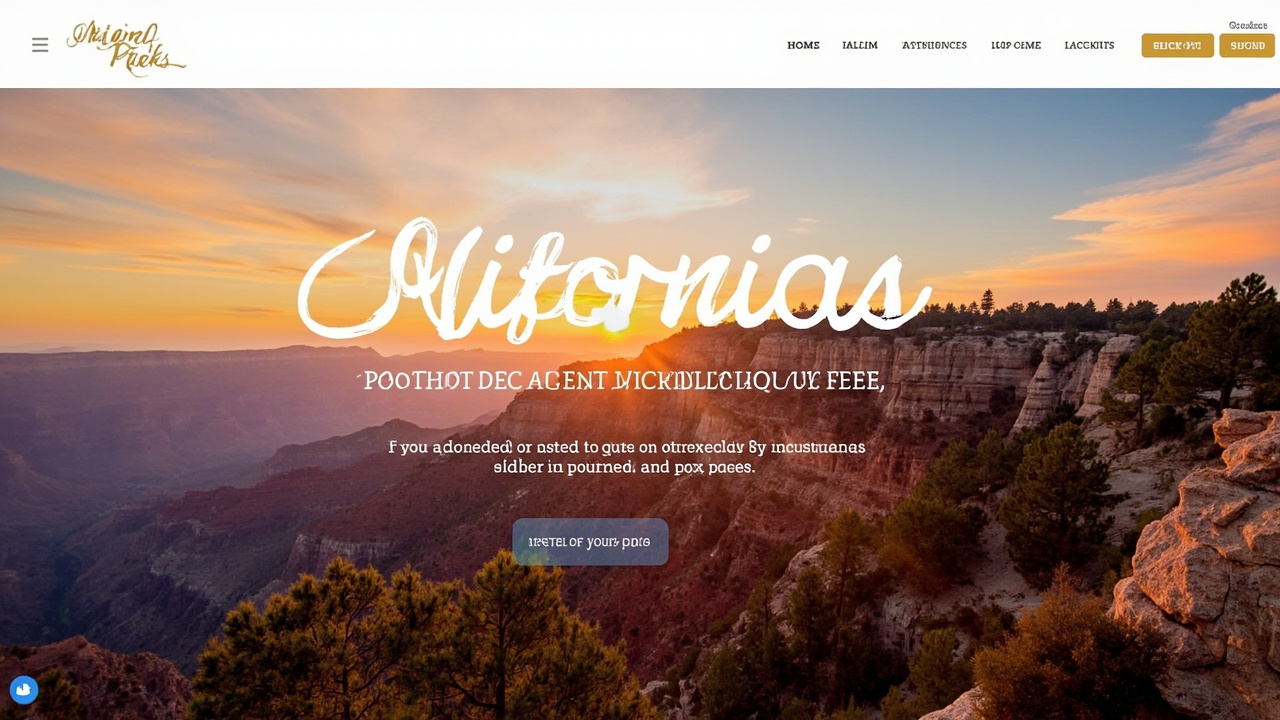
California sits alone at the top of a pretty exclusive list: the state with the most national parks in the United States. Nine incredible parks. Over six million acres. And unlike some destinations that lump everything into one generic "outdoorsy" category, California's parks feel like entirely different countries depending on which one you're standing in.
I spent years bouncing between these parks, and let me tell you—each one has its own personality, its own rhythm, its own reason to make the trip. Whether you're a first-time visitor or someone who's been to Yosemite a dozen times, there's always something new waiting.
Yosemite National Park: The Headliner Everyone Knows
Let's get the obvious one out of the way. Yosemite is California's most famous park for good reason. Those granite cliffs rising straight up from the valley floor. El Capitan. Half Dome. The waterfalls that thunder through spring. It's the park you see on calendars and in nature documentaries, and somehow, it somehow manages to be even more impressive in person.
But here's my hot take: most visitors rush straight to Yosemite Valley and miss what makes this place truly special. The valley is gorgeous, yes, but the crowds match it. If you want to experience Yosemite at its most peaceful, head to Tuolumne Meadows in summer or explore the park's high country when it opens. The hiking is less crowded, the views stretch endlessly, and you'll actually be able to hear the wind.
Sequoia and Kings Canyon: Where Giants Walk Among Us
I grouping these two together because they're neighbors that often get lumped into one trip, but they offer distinct experiences. Sequoia is home to General Sherman, the largest tree on Earth by volume. Standing at its base and tilting your head back until you're dizzy trying to see the top—it never gets old, no matter how many times you've done it.
Kings Canyon, meanwhile, gives you that classic Sierra Nevada mountain experience without the crowds of Yosemite. The canyon itself is stunning, and the drives through both parks will leave you repeatedly pulling over to take photos.
Joshua Tree: The Desert That Feels Like Another Planet
This is my pick for the most unique park on the list. Joshua Tree doesn't look like California. It looks like what a Martian colony might resemble if we ever build one—twisted Joshua trees against boulder piles, ridiculous sunrises, and a sky that goes on forever at night. Yes, night. The stargazing here is otherworldly.
The climbing scene is huge if that's your thing, but even if you're just wandering through the Cholla Cactus Garden or catching a sunrise at Keys View, Joshua Tree delivers something the other parks simply can't: pure, unfiltered weirdness.
Death Valley: Extremes You Won't Believe
Speaking of extremes, Death Valley holds the record for the hottest temperature ever recorded on Earth—134 degrees Fahrenheit. In spring, though, when wildflowers carpet the salt flats and Badwater Basin glitters white against the surrounding mountains, it's genuinely magical. The contrast between the lowest point in North America and the views from Dante's Peak or Zabriskie Point will rearrange how you think about geography.
Redwood and Muir Woods: Into the Green Cathedral
There's nothing quite like standing inside a coast redwood forest. The trees here aren't just tall—they're impossibly tall, with trunks so wide you could fit small houses inside them. The light filters down green and soft, and the silence feels sacred. Muir Woods gets crowded, so arrive early, but Redwoods National Park further north offers more space to breathe and fewer people between you and the giants.
Channel Islands: California's Best-Kept Secret
The least visited of California's national parks, Channel Islands is five islands off the coast where you can hike, kayak through sea caves, and spot whales without sharing the experience with hundreds of other tourists. Getting there requires a ferry ride, which is probably why most people skip it. That's their loss.
Pinnacles and Lassen Volcanic: The Underdogs
Pinnacles, with its dramatic spire formations and year-round California condor sightings, is criminally underrated. Lassen Volcanic, meanwhile, offers bubbling hot springs, steaming fumaroles, and backcountry hikes without the permit headaches of more famous parks.
Practical Tips for Your Park Adventures
A few things I've learned the hard way: summer brings crowds and (sometimes brutal) heat in the desert parks. Spring and fall offer the best weather across most of the state. Winter opens up opportunities in the mountains when ski areas close but the trails remain accessible.
Always check current conditions before you go. Many of these parks have roads or areas that close seasonally, and trail conditions can change rapidly. Download offline maps—cell service is nonexistent in much of these parks.
Finally, consider the Interagency Pass if you're planning to visit multiple parks. At $80 for unlimited access to all federal recreation sites for a year, it pays for itself after your third park.
California's national parks aren't just destinations—they're reminders of how wildly diverse and beautiful this country can be. Start planning. The parks aren't going anywhere, but someday might be the perfect day to visit them.