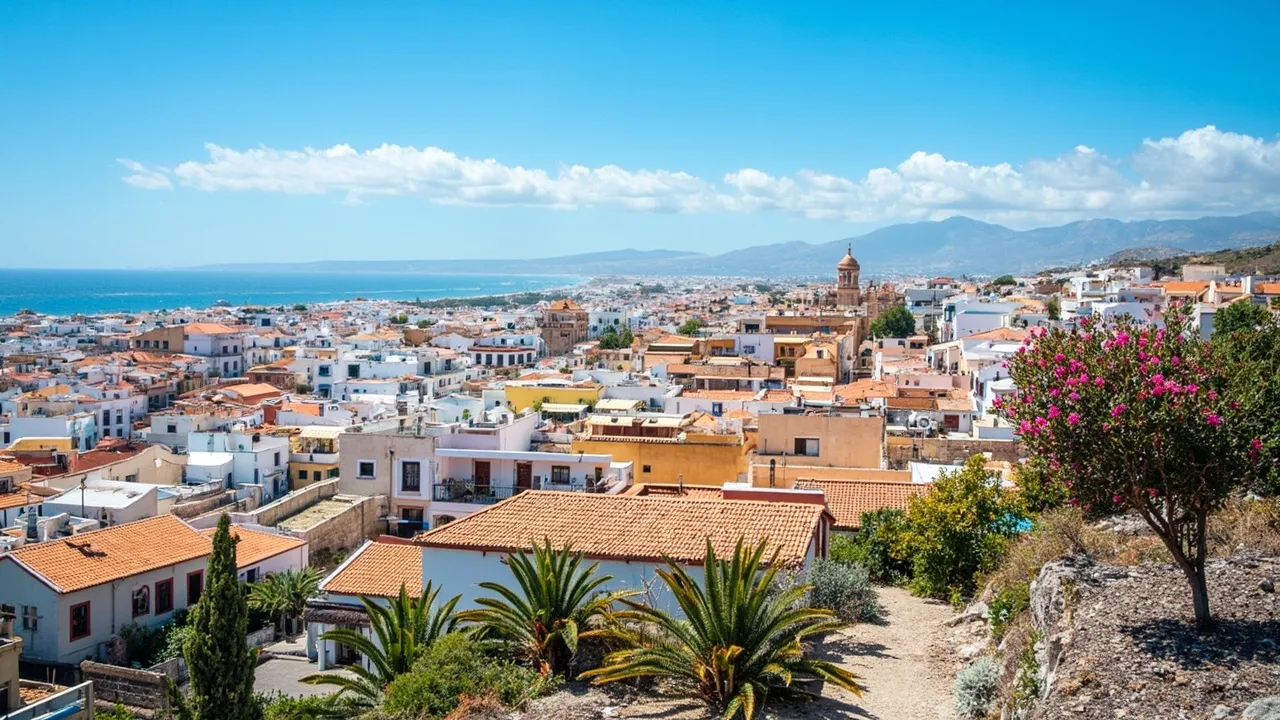
The Canary Islands sit just off the western coast of Africa, yet they fly the Spanish flag and run on European time. That geographic quirk — plus year-round spring weather — is why millions of sun-seekers land here annually. But scratch beneath the beach resorts and you'll find an archipelago with serious depth: moonscapes carved by volcanic eruptions, forests that feel transplanted from the Pacific Northwest, and small towns where life moves at "mañana" speed.
Here's how to experience the real Canary Islands.
Lanzarote: Fire and Art in Unexpected Places
Explore Timanfaya National Park
Step into Timanfaya and you'll swear you've landed on Mars. This 20,000-acre national park on Lanzarote is what happens when volcanoes decide to rewrite the landscape — which they did spectacularly in the 1730s during one of history's longest recorded eruptions. Today, 25 volcanoes dot the terrain in shades of rust, charcoal, and burnt orange. The best way to experience it? Book the guided coach tour that winds through the volcanic corridor, stopping at El Diablo restaurant where your meal cooks directly over volcanic heat vents. Yes, really.
Visit César Manrique's Artistic Legacy
The late artist and architect César Manrique essentially shaped modern Lanzarote's identity. He convinced island leaders to ban high-rise hotels, keeping the landscape low and unobtrusive. His former home in Tahíche, now the Fundación César Manrique, showcases his art fused with a volcanic bubble — the house sits literally inside a lava flow. Jameos del Agua, a former volcanic grotto he transformed into a nightclub and pool, and Cueva de los Verdes, where lava tubes create a subterranean wonderland, are also must-visits.
Snorkel or Dive the Atlantic
The waters around Lanzarote are crystal clear and teeming with marine life. Playa Blanca and Puerto del Carmen offer accessible shore dives, while the marine reserve off La Graciosa island (a short ferry ride north) delivers healthier reefs with moray eels, rays, and sea turtles. Not certified? Numerous operators offer introductory dives for beginners.
Tenerife: The Island That Has Everything
Hike Teide National Park
Mount Teide isn't just Tenerife's peak — it's Spain's highest point at 3,718 meters. The volcano dominates the island's center like a sleeping giant, and Teide National Park showcases its dramatic flanks in textbook fashion. The most popular hike is the Sendero Number 10 trail through the caldera, but note that overnight summit access requires a free permit (apply months in advance). For a less demanding option, the Roques de García trail delivers iconic Teide views in under two hours.
Catch a Sunset from Masca
The village of Masca perches impossibly on a Tenerife hillside, its terracotta houses stacked against steep ravines. Getting there requires navigating a narrow, winding road that tests your nerves and rewards your bravery. Hike the Masca Gorge trail (book in advance) or simply grab a sunset drink at one of the tiny restaurants and watch the light shift across the cliffs.
Whale and Dolphin Watching
The waters between Tenerife and La Gomera constitute one of the world's premier whale-watching destinations. Sperm whales, pilot whales, bottlenose dolphins, and spinner dolphins frequent these waters year-round. Los Cristianos and Puerto Colón ports bristle with operators, ranging from small rigid-hulled inflatables to larger catamarans. Morning tours typically offer calmer seas and better visibility.
Fuerteventura: Beach Paradise Without the Crowds
Relax on the Dunes of Corralejo
Fuerteventura's most photographed spot, the Corralejo Natural Dune Reserve stretches for miles along the island's northern coast. The sand is blindingly white, the Atlantic wind creates constant ripple patterns, and only walkers and photographers share the space. The dunes back onto Corralejo town, so access couldn't be easier. Nearby, the isolated beaches of Cotillo offer sunset watching without the tourist crowds.
Learn to Kitesurf
Fuerteventura's constant trade winds and flat-water lagoons have made it Europe's kitesurfing capital. January through March brings the strongest winds, but reliable conditions persist most of the year. Schools cluster around Corralejo and the southern town of Cofete. Even if you don't commit to a full course, a two-hour taster session gives you a taste of the addiction that keeps kiters returning annually.
La Gomera: The Island Time Forgot
Whistle Your Way Around the Island
La Gomereros communicate across deep ravines using a unique whistled language called Silbo Gomero — UNESCO-listed and unlike anything else in Europe. Originally developed by the Guanche people before Spanish colonization, the language was nearly extinct by the 20th century but has been revived in local schools. Listen for it during hikes or catch demonstrations in San Sebastián de La Gomera.
Explore Garajonay National Park
This laurel forest feels transported from a mythical realm — fog drifts through ancient trees draped in moss, and ferns carpet the ground in impossible greens. The park, another UNESCO World Heritage Site, occupies much of La Gomerera's interior and offers numerous trails. The Cruz de Tinjope trail provides a classic introduction; the more strenuous path to the summit rewards hikers with views stretching to Tenerife's Teide on clear days.
Gran Canaria: Miniature Continent
Discover the Microclimates
Gran Canaria punches above its weight for terrain diversity. Within a few hours' drive, you can move from golden beaches to pine forests, rocky mountain passes to desert-like southern barrancos. The central highlands around Tejeda and Artenara showcase the island's most dramatic geology — eroded rock formations called "morrones" rise like towers from the crater rim. Rent a car and drive the circular mountain road for the full effect.
Roam Las Palmas' Old Town
Spain's third-largest city, Las Palmas de Gran Canaria, hides one of the country's finest historic quarters within its modern sprawl. Vegueta, the original settlement founded in 1478, features cobblestone streets, colonial architecture, and the stunning cathedral of Santa Ana. TheCasa de Colón museum chronicles the island's role as Columbus's waystation to the Americas.
La Palma: The Green Island
Stargaze on a Starlight Reserve
La Palma's strict light pollution controls earned it Starlight Reserve status — one of only a handful globally. The caldera at the island's center, reachable by car or via the ascent through the forest, offers amateur astronomers unparalleled views of the Milky Way. Even without a telescope, lying on the volcanic rock watching shooting stars qualifies as a life highlight.
Hike the Caldera de Taburiente
La Palma's dramatic interior features a massive volcanic crater, deep ravines, and pine forests that survived ancient eruptions. The national park trails range from accessible rim walks to challenging overnight treks. The route from Puerto de Tazacorte to the summit (allow a long day) rewards hikers with extraordinary interior views.
Practical Tips for Island Hopping
Getting Between Islands
Firm-operated ferries connect the main islands, with Fred Olsen and Naviera Armas being the primary carriers. Book in advance during peak seasons (July-August, Christmas). Inter-island flights through Binter Canarias are faster but more expensive. For a budget shortcut, consider the public ferry network ( ferriesweeny.com ) which offers discounted day passes.
Timing Your Visit
TheCanary Islands experience their peak season December through February when northern Europeans seek winter sun. April-May and September-October offer thinner crowds, acceptable weather, and better accommodation rates. Summer months bring extreme heat on southern beaches but comfortable temperatures in higher elevations.
Renting a Car
Don't skip the car. Public transport on these islands ranges from sparse to nonexistent outside major towns. A compact vehicle handles most roads, but if you're heading into Masca on Tenerife or the mountain roads of Gran Canaria, consider upgrading to something with decent ground clearance. Book early during high season — inventory disappears fast.
Budget Reality Check
The Canaries sit in the EU but remain outside the EU VAT zone (thanks to their special economic status), making them notably cheaper than mainland Spain for alcohol, tobacco, and electronics. Accommodation and dining cluster at budget-friendly price points, though resort areas command premium rates. Self-catering apartments remain the smart choice for families or longer stays.
What to Pack
Layering pieces work better than heavy clothing — micro fleece, rain shell, and convertible pants handle the variation between beach towns and mountain trails. Sturdy hiking shoes matter more than you think on islands where "moderate" trails sometimes involve loose volcanic rock. And bring reef-safe sunscreen — several marine reserves now require it.
The Bottom Line
The Canary Islands offer something rare: a destination that works for adventure seekers and beach bums simultaneously, without forcing either to compromise. Spend a week and you barely scratch the surface. Spend a month and you'll still find new corners to explore. Start with your priorities — beaches, hiking, water sports, or culture — and let those guide your island selection, then leave room for detours. The best Canary Islands moments tend to arrive unexpectedly.
Ready to book? Start comparing flights to Tenerife (the main hub) or Gran Canaria, then plan your island-hopping route from there.