The main blog content in markdown format
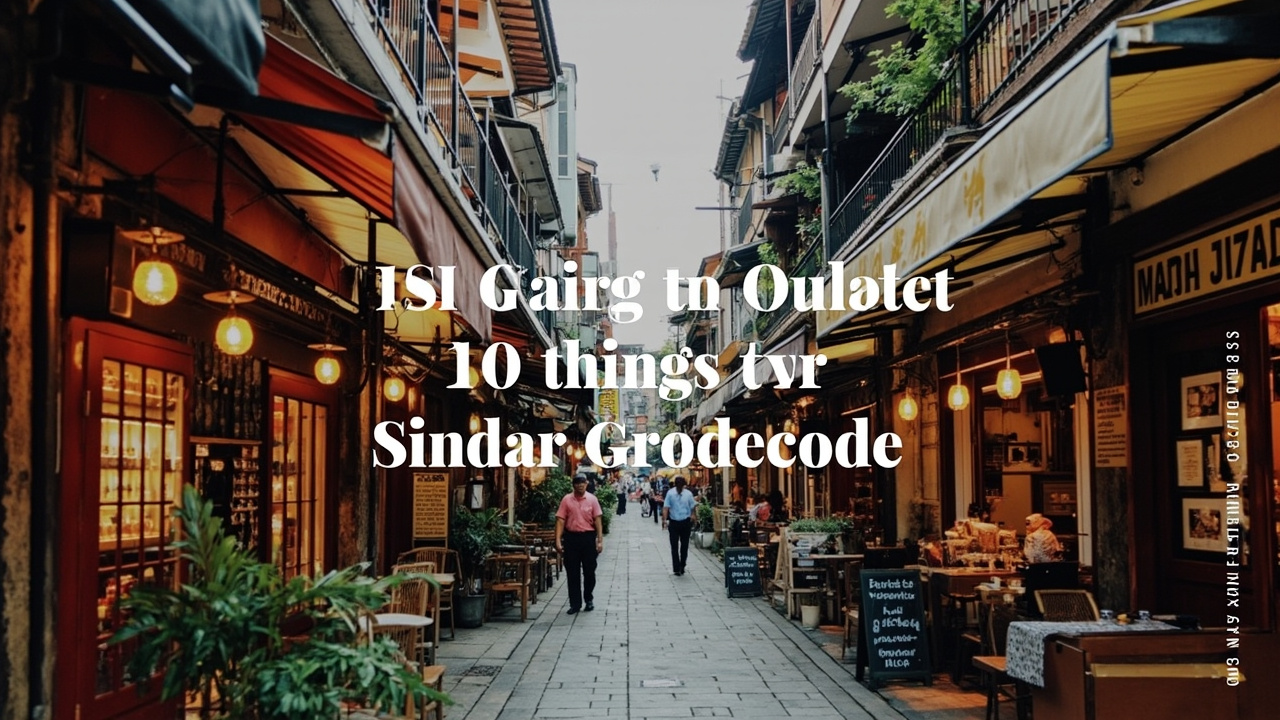
Let's be honest: Bangkok's Chinatown isn't subtle. It's loud, it's chaotic, it's overwhelmingly fragrant, and it's absolutely magnificent. Whether you're hunting for the best boat noodles, hunting down gold shops, or simply getting lost in the maze of neon-lit alleyways, this neighborhood delivers an experience you won't find anywhere else in the city.
I spent three days exploring Yaowarat Road and the surrounding streets, and I'm here to share what actually matters when you visit. Skip the tourist trap tours—this is your practical, no-nonsense guide to making the most of Chinatown Bangkok.
When to Visit Chinatown Bangkok (Timing Matters)
Here's the thing most travel guides won't tell you: Mondays are basically a write-off for street-level Chinatown. Why? It's the official street cleaning day, which means the iconic food stalls and outdoor markets don't set up. You'll find some restaurants open, but the atmosphere will be flat compared to other days.
The sweet spot for visiting is around 4 PM. Here's why this timing works perfectly:
- The worst of Bangkok's afternoon heat has died down
- You can explore the temples and markets while it's still light
- As evening rolls in (around 6-7 PM), the street food stalls come alive
- You get to experience the neighborhood's transformation from day to night
Market stalls typically wind down around 6 PM, while restaurants stay open until 10:30 PM or later. So plan your dinner for the evening hours when the real magic happens.
The 10 Experiences You Can't Miss
1. Walk Yaowarat Road at Night
This is Chinatown's main artery, and it's absolutely electric after dark. The street transforms into a neon wonderland with gold shops glowing on either side, food vendors calling out their specialties, and motorbikes weaving through pedestrians. It's chaotic, it's loud, and you need to experience it at least once.
2. Eat Your Way Through the Street Food Stalls
This is non-negotiable. Chinatown Bangkok is street food heaven. Start with pad thai from any crowded stall (the busier, the better), try boat noodles from the legendary Nai Ek Roll Noodles, and don't leave without sampling dim sum from the open-air restaurants that line the side streets. The food is cheap, it's authentic, and it's some of the best you'll ever eat.
3. Visit Wat Mangkon MRT
This Buddhist temple is one of the most important in the area, and it's conveniently located right at the Mangkon MRT station. The architecture is stunning—multi-tiered roofs, intricate details, and golden accents everywhere. It's a peaceful contrast to the chaos outside. Visit in the morning for fewer crowds and better photo opportunities.
4. Explore the Gold Shops
Chinatown Bangkok is famous for gold, and you'll see why when you walk past the glittering shops on Yaowarat Road. Even if you're not buying, window shopping is an experience in itself. The gold is 96.5% pure (higher than Western standards), and the designs range from traditional to surprisingly modern.
5. Get Lost in the Narrow Alleyways
Some of the best discoveries happen when you wander off the main road. The side streets and alleyways are where you'll find local life—grandmothers playing cards, men drinking tea, tiny restaurants with just four tables. These detours are where Chinatown reveals its soul.
6. Sample Fresh Seafood
The seafood here is exceptionally fresh and surprisingly affordable. Look for restaurants displaying their catch of the day on ice. Grilled prawns, crab in oyster sauce, and fried fish are local favorites. Head to the area near Ratchawong Road for some of the best seafood options.
7. Visit the Talat Phlu Area
Just south of the main Chinatown district, Talat Phlu offers a more local experience with less tourist traffic. The wet market here is authentic and fascinating—you'll see whole fish, exotic ingredients, and vendors who are genuinely surprised to see foreigners. It's a 15-minute walk from the main drag and totally worth the detour.
8. Photograph the Street Art
Chinatown Bangkok has become an outdoor art gallery in recent years. Look for colorful murals featuring traditional Chinese-Thai imagery mixed with modern elements. They're scattered throughout the side streets and make perfect photo backdrops.
9. Try Traditional Chinese Desserts
After all that savory food, save room for dessert. Look for vendors selling red bean soup, taro balls, and grass jelly. These traditional Chinese desserts are made fresh daily and offer a sweet ending to your food adventure. The best ones are found in the small family-run shops away from the main tourist areas.
10. Shop at the Traditional Markets
The markets in Chinatown aren't just about food. You'll find everything from cheap electronics to traditional Chinese medicines to fabric shops. Bargaining is expected and enjoyed—haggle with a smile, and you'll walk away with great deals. The Talat Khao (empty market) is particularly worth exploring.
Is Chinatown Bangkok a Good Place to Stay?
Absolutely—here's why staying in Chinatown might be smarter than you think:
Pros:
- Excellent MRT connectivity (Mangkon station puts you on the Blue Line, connecting you to the rest of Bangkok)
- Incredible food options at all hours
- Affordable accommodation compared to Sukhumvit or Silom
- Walking distance to the Old Town's other attractions
- Authentic local experience rather than a tourist bubble
Cons:
- It's noisy and busy—light sleepers take note
- Not much in the way of upscale nightlife or cocktail bars
- BTS isn't accessible (more on that below)
The area near Mangkon MRT offers the best balance of convenience and atmosphere for overnight stays.
Getting There: MRT vs BTS
Here's the deal with transportation: BTS does not serve Chinatown directly. The nearest BTS station is National Stadium, and it's roughly a 40-minute walk away—not ideal in Bangkok's heat.
But here's the good news: Chinatown is well-served by the MRT (Mass Rapid Transit). The Mangkon MRT station is right in the heart of the action. The MRT Blue Line connects you to:
- Hua Lamphong (train station)
- Rama IX (for the train to Ayutthaya)
- Chatuchak (for the famous weekend market)
- And all major business districts
If you're coming from Sukhumvit or Silom, take the BTS to Saladaeng or Sala Daeng, then transfer to the MRT at Silom Station. It's the fastest route.
Final Tips for Your Visit
- Bring cash. Most street vendors and smaller shops don't accept cards.
- Dress modestly. You're visiting temples and local neighborhoods, not beach resorts.
- Come hungry. The food is the main event here.
- Stay hydrated. Bangkok is hot, even in the "cool" season.
- Watch your belongings. Like any busy tourist area, pickpockets can be an issue.
Chinatown Bangkok isn't for everyone—it's intense, it's crowded, and sometimes it smells questionable. But if you embrace the chaos and dive in with an open mind, you'll discover one of Bangkok's most vibrant and authentic neighborhoods. The food alone is worth the trip.
Ready to explore? Start planning your route, but leave room to get a little lost. That's where the best memories are made.