Conquer Kauai's Most Epic Trail: Complete Kalalau Hike Guide
Why Kalalau Should Be on Your Hiking Bucket List
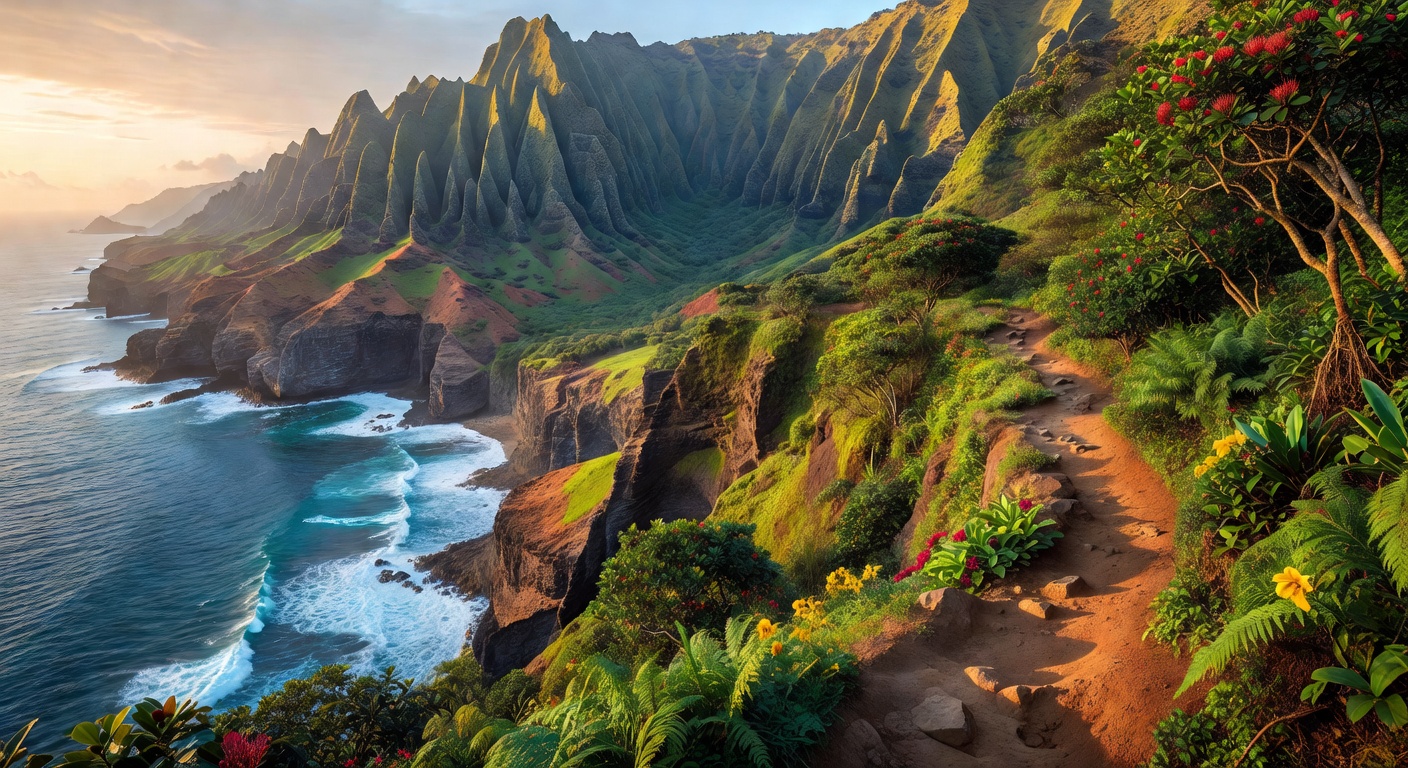
If you've seen stunning photos of Kauai's rugged Na Pali coastline, chances are you've spotted the Kalalau Trail. This legendary 11-mile trek hugs dramatic sea cliffs, crosses hanging valleys, and ends at one of Hawaii's most isolated and pristine beaches. It's the kind of hike that tests your fitness, rewards your determination, and leaves you speechless.
Here's the thing: this isn't a casual nature walk. The Kalalau Trail demands respect, preparation, and realistic expectations. But for adventurous travelers willing to put in the work, it's an unforgettable experience.
Trail Basics: What You're Getting Into
Distance & Difficulty: The trail stretches 11 miles (one-way) from Ke'e Beach to Kalalau Beach. Round-trip day hikes are possible but grueling—most hikers break it into 2-4 days with camping.
Elevation Gain: Expect roughly 5,000 feet of cumulative elevation change over the full route, with steep sections that'll challenge your legs and lungs.
Time Estimate: Day hikers typically take 4-6 hours each way. Multi-day hikers can spread the adventure across 2-4 days, depending on pace and camp locations.
Permits & Rules: Here's where it gets tricky. Overnight camping at Kalalau Beach requires a permit from the Hawaii Department of Land and Natural Resources. Day hikes don't need permits, but there's a popular shuttle from Hanalei that can fill up during peak season.
Planning Your Kalalau Adventure
Choose Your Timeframe
Day Hike to Hanakapiai Beach (2 miles): Perfect for testing your fitness and experiencing the trail without a permit. Most people turn around here.
Day Hike to Hanakapiai Falls (4 miles): A rewarding option that takes 6-8 hours total. This detour adds elevation but rewards you with a freshwater waterfall.
Overnight or Multi-Day Trek: For the full Kalalau experience, plan 2-4 days. This lets you soak in the scenery, reach Kalalau Beach, and recover between tough sections.
Get Your Permits Early
Overnight permits are limited and highly competitive, especially during summer and holidays. Reserve yours months in advance through the DLNR website. Popular camping dates fill up quickly—sometimes within hours of becoming available.
Pick the Right Season
Best Time: May to August offers calmer waters and more stable weather, though summer crowds are heavier.
Shoulder Seasons: April and September provide decent conditions with fewer tourists.
Avoid: November to March brings rain, muddy trails, rough ocean swells, and treacherous conditions. Even experienced hikers struggle during winter.
What to Pack
The Kalalau Trail has no water sources except at the beach and Hanakapiai Falls. Pack smart:
- Water: Carry 2-3 liters minimum for day hikes; plan refills at Hanakapiai or Kalau
- Footwear: Sturdy hiking boots with excellent grip—slippery red mud is a serious hazard
- Sun & Bug Protection: Sunscreen, hat, and insect repellent (mosquitoes are real here)
- Layers: Weather changes fast; bring a lightweight rain jacket
- Nutrition: Energy bars, nuts, and quick carbs keep you fueled
- First Aid: Blister treatment, pain relievers, and basic supplies
- Headlamp: Essential for early starts and if you're hiking in fading light
- Camping Gear (if overnight): Lightweight tent, sleeping bag, cooking equipment, and biodegradable soap
Key Sections & What to Expect
Ke'e Beach to Hanakapiai Beach (2 miles)
This opening stretch sets the tone. You'll climb immediately with exposed switchbacks and no shade. The ocean views are stunning but relentless sun exposure is real. Many hikers underestimate this section and burn out early. Pace yourself.
Hanakapiai Beach to Hanakapiai Falls (2 miles round-trip detour)
This isn't part of the main trail—it's an optional adventure. The creek crossing can be dangerous during heavy rain. Check conditions first. The waterfall payoff is worth it.
Hanakapiai to Honopu Beach (3 miles)
Expect steep climbs, a narrow ridgeline with hundred-foot drop-offs, and increasing remoteness. This is where many casual hikers turn back. The trail improves technically here, but demands focus and stable legs.
Honopu to Kalalau Beach (4 miles)
The final stretch features more elevation changes, hanging valleys, and a creek crossing near the end. Arrival at Kalalau Beach feels like reaching an island paradise—because you have. The beach is your reward.
Safety Tips & Common Mistakes
Don't Hike Alone: Injuries happen. Always bring a partner.
Check Weather Beforehand: Flash floods and slippery conditions are real dangers. Bad weather can trap hikers on exposed ridges.
Start Early: Sunrise or just after. Finishing in daylight is non-negotiable.
Respect the Ocean: Don't attempt the trail if ocean swells are dangerous. Never try to cross Hanakapiai Beach if waves are rough—hikers have died here.
Bring More Water Than You Think: Dehydration sneaks up fast in Hawaii heat.
Don't Leave Trash: Pack out everything. Kalalau's pristine nature depends on responsible hikers.
Be Realistic About Your Fitness: Honest self-assessment prevents injuries and misery.
Booking Your Kalalau Adventure
- Apply for Permits Early: Visit the DLNR website 90-180 days before your planned trip
- Confirm Weather & Conditions: Check local hiking reports one week before
- Book Accommodations: If you're not camping, stay in nearby Hanalei or Princeville
- Arrange Transportation: Some hikers use the Hanalei shuttle; others drive and park at Ke'e Beach (arrive early, parking is limited)
- Notify Someone: Leave your itinerary with a friend or family member
The Verdict
The Kalalau Trail isn't easy, but it's iconic for good reason. You'll push your body, overcome mental challenges, and experience Kauai's raw beauty in a way most tourists never will. Whether you're hiking two miles or eleven, you're creating a memory worth the effort.
Ready to make it happen? Start planning now—permits book fast, and this adventure deserves proper preparation.
Pro tip: Pair your Kalalau adventure with a few days exploring Kauai's other attractions. Rent a car to access different trailheads, beaches, and viewpoints. The island has plenty of options for all fitness levels.