Is Egypt Safe for Travelers in 2026? What You Need to Know Before Booking
Egypt has fascinated travelers for centuries, and honestly, it still should. But let's address the elephant in the room: safety concerns often keep people from booking that dream trip to Cairo, Luxor, or Aswan.
The good news? Millions of tourists visit Egypt safely every year. The realistic news? Like any destination, it requires informed decisions and smart planning.
The Current Travel Safety Landscape
As we head into 2026, Egypt's tourism infrastructure is stronger than ever. The government has significantly invested in security, particularly in major tourist areas like Giza, Luxor, and the Red Sea resorts. Hotels, archaeological sites, and popular tourist corridors see heavy police and security presence.
That said, certain regions remain off-limits for independent travelers. This isn't unique to Egypt—many countries have restricted zones. The key is knowing which areas are genuinely safe versus which require extra caution.
Where You Can Travel Confidently
Cairo and Giza: The capital and surrounding areas are perfectly safe for tourists who use common sense. Stick to established neighborhoods, use registered taxis or Uber, and avoid wandering alone late at night (as you would anywhere).
Luxor and the Valley of the Kings: This is a heavily touristed area with excellent security. Organized tours and guided visits are standard practice here.
Red Sea Resorts: Sharm El-Sheikh, Hurghada, and Dahab are tourist havens with resort-style security. These feel as safe as any beach destination.
Nile River Cruises: These remain one of the safest ways to experience Egypt. You're in a controlled environment with professional guides and established routes.
Areas to Avoid
The Sinai Peninsula (except certain coastal resorts), western deserts far from established towns, and parts of the Delta require careful consideration. Check your government's travel advisories before traveling—these are updated regularly and reflect current conditions.
Smart Safety Practices for Egypt
Register with your embassy: Before departing, register your trip. It's quick, free, and ensures officials can contact you if needed.
Travel with reputable operators: Book tours, flights, and accommodations through established companies with verified reviews. This isn't just about comfort—it's about safety.
Respect local customs: Dress modestly, be respectful in religious spaces, and follow local guidance. Most conflicts arise from cultural misunderstandings, not danger.
Stay aware, not paranoid: Keep your phone charged, know your hotel address, use official transportation, and trust your instincts. These basics apply everywhere.
Get comprehensive travel insurance: This covers medical emergencies, flight cancellations, and unexpected situations. It's non-negotiable.
Use hotel safes: Don't leave valuables in your room. Egypt's tourist areas are generally secure, but why tempt fate?
The Role of Guided Tours
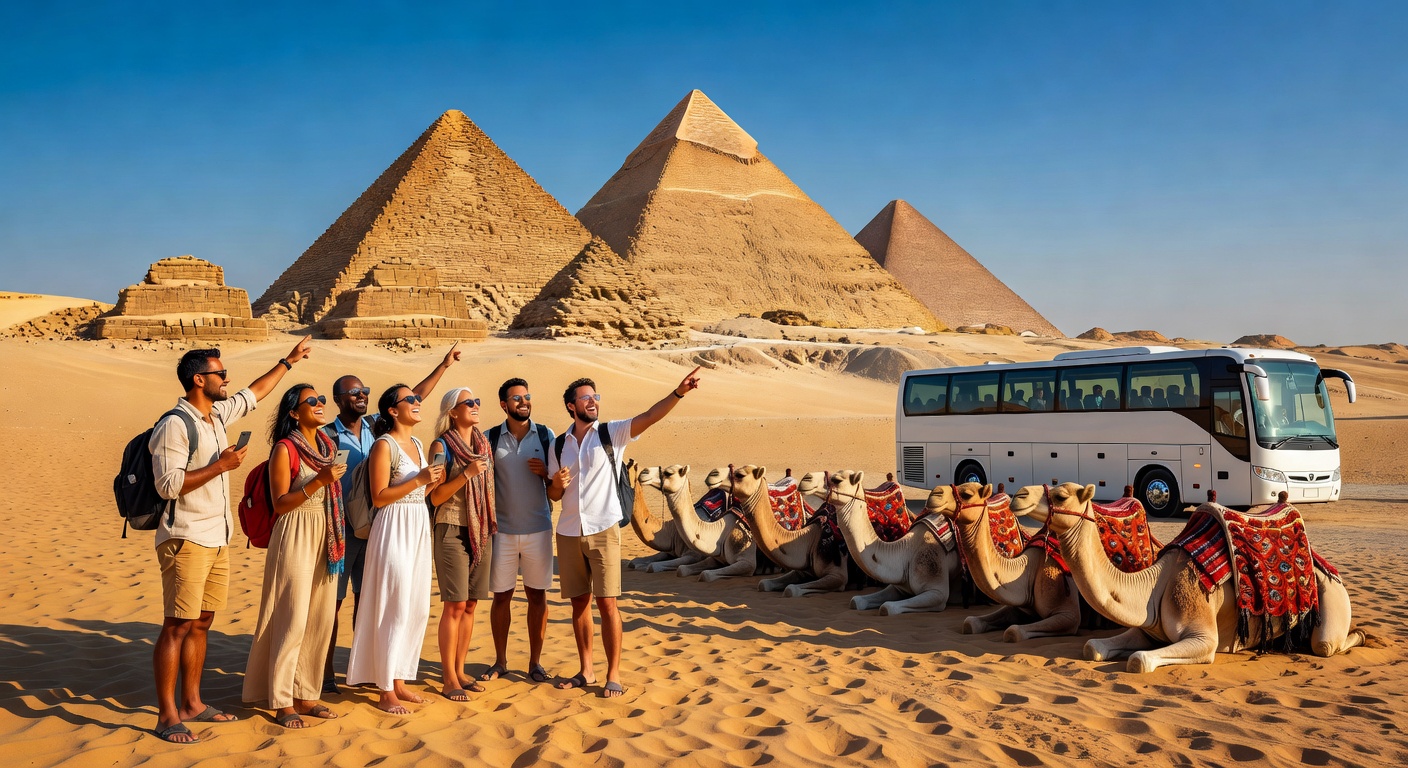
Honestly, guided tours aren't just convenient in Egypt—they're smart. A knowledgeable guide navigates language barriers, knows which neighborhoods to avoid, and provides context that enriches your experience. Plus, you're moving with a group, which naturally reduces vulnerability.
Seasonal Considerations
Winter (November-February) brings both pleasant weather and peak tourism season. More tourists mean more security presence and bustling areas. Summer heat can be intense, but if you can handle it, crowds thin out and prices drop.
Travel Insurance and Documentation
Don't skip travel insurance. Medical facilities in major cities are decent, but travel insurance gives you peace of mind and access to international-standard care if needed. Also, ensure your passport is valid for at least six months beyond your travel dates.
Real Talk: Is It Worth It?
Yes. Egypt offers irreplaceable experiences: standing before the Great Pyramids, sailing the Nile, exploring temples that date back millennia, and connecting with one of humanity's greatest civilizations. Millions do it safely every year.
The decision isn't whether Egypt is safe—it's whether you're willing to approach travel sensibly. Use reputable operators, stay informed, respect the culture, and embrace the adventure.
Bottom Line
Egypt in 2026 is genuinely accessible for informed travelers. The key is preparation: know the current situation, book with established companies, follow local guidance, and maintain awareness. Fear shouldn't stop you from experiencing one of the world's most extraordinary destinations.
Ready to book? Start with your government's travel advisory, then secure your flights, accommodation, and tours through trusted platforms. The Nile awaits.