Madagascar Travel Guide: What to Really Expect on Africa's Most Unique Island
Madagascar has a reputation for being one of the world's most extraordinary travel destinations, and honestly? It lives up to the hype. But this isn't a typical safari destination or a relaxing beach getaway. It's beautifully chaotic, wonderfully remote, and absolutely unforgettable. Here's what really awaits you.
Why Madagascar Feels Like Another Planet
Madagascar split from Africa 88 million years ago, and you'll feel that separation the moment you land. The wildlife is completely different—90% of Madagascar's animals exist nowhere else on Earth. We're talking ring-tailed lemurs, fossa (cat-like predators), and bizarre fossas that will make you question what you thought you knew about animals.
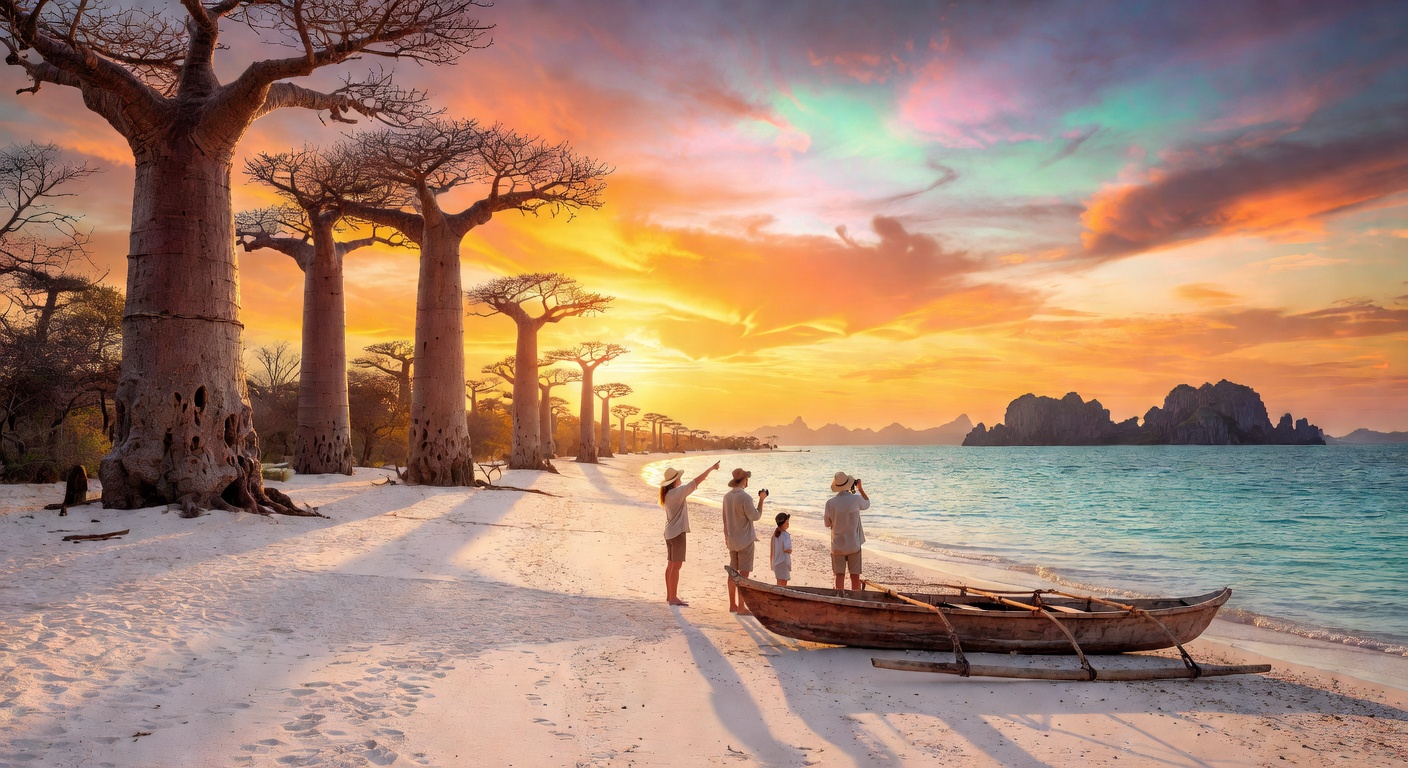
The landscape is equally alien. Red earth, baobab trees that look straight out of The Little Prince, and dense rainforests create scenes that feel authentically otherworldly.
Getting There: Flights and Logistics
Most travelers fly into Antananarivo (Tana), the capital. You'll likely connect through hubs like Paris, Istanbul, or Doha—direct flights are rare and expensive. Budget 20-30+ hours of travel time from North America or Europe.
Pro tip: Fly StayRide's flight search makes comparing these long routes easier. Set up price alerts weeks in advance since Madagascar flights don't have the best availability.
Once you arrive, domestic travel can be tricky. The road infrastructure is underdeveloped, so many travelers combine flights between regions with driving. Book internal flights in advance.
Accommodation: From Basic to Boutique
Madagascar's accommodation ranges wildly. In Tana, you'll find decent mid-range hotels and some boutique options. But venture into national parks or coastal towns, and you'll encounter basic guesthouses that are charming but rustic.
What to expect:
- Hot water might be inconsistent
- WiFi exists but can be unreliable
- Air conditioning is a luxury, not a standard
- Booking ahead is essential during peak season (July-August)
Consider using FlyStayRide's hotel search to compare options and read recent reviews. Honest feedback matters here more than anywhere.
The Wildlife Experience Is Unreal
Lemurs are the main attraction, and they're absolutely worth the trip. In places like Aye-Aye Island and Analamazaotra Reserve, you'll see creatures that belong in sci-fi films. Ring-tailed lemurs are charismatic and playful; indri lemurs sound like they're singing opera.
Budget time for guided nature walks. Most parks require a guide, and they're genuinely knowledgeable. A typical trek costs $15-30 per person.
Practical Travel Tips Nobody Tells You
Health Considerations: Malaria exists in Madagascar, especially in coastal areas. Consult your doctor about prophylaxis before traveling. Dengue fever and other tropical illnesses are also present.
Currency & Costs: The Malagasy Ariary is the local currency. ATMs exist in major towns but can be unreliable. Bring cash, and use your credit card sparingly. Food is incredibly affordable ($2-5 for meals), but tourist activities aren't.
Language: French and Malagasy are spoken. English is rare outside tourist areas. Download a translation app—seriously.
Internet: Getting an eSIM before arrival is smart. Your home carrier likely won't have great coverage, and local SIM cards require patience. Consider FlyStayRide's eSIM options to stay connected during your adventure.
Driving: If you rent a car, hire a driver. Roads are rough, navigation is confusing, and your rental agreement will likely prohibit driving alone anyway.
When to Visit
July-September is peak season—cooler temps, lower humidity, and better wildlife viewing. But it's also crowded and expensive.
November-March is rainy season, but prices drop significantly, and the landscape is lush. Cyclones are possible.
April-June and October are sweet spots—decent weather without peak crowds.
Food: Adventurous Eaters Only
Malagasy food won't win international cuisine awards, but it's an experience. Expect rice with most meals (sometimes it's the entire meal). Seafood is fresh near the coast; zebu (Malagasy cattle) is common inland.
Street food is affordable but carry sanitizing wipes. Tourist restaurants in Tana are more reliable if your stomach is sensitive.
Is Madagascar Worth It?
Absolutely—if you're flexible, adventurous, and don't need luxury. This island demands patience. Flights get delayed. Roads are rough. WiFi fails when you need it most. But the rewards? Seeing lemurs in the wild, exploring bioluminescent forests, and experiencing a truly off-the-beaten-path destination make every inconvenience worth it.
Madagascar isn't a vacation destination in the traditional sense. It's an expedition. And that's exactly why it's so special.