Discover Milos: Your Complete Guide to Greece's Most Underrated Island
If you're tired of fighting through crowds at famous Greek destinations, Milos deserves top billing on your Cyclades itinerary. This lesser-known island packs an incredible variety of experiences into a compact space: stunning geological formations, pristine beaches, charming villages, and fascinating historical sites. Whether you're a beach hopper, history buff, or adventure seeker, Milos delivers.
The Unmissable Beaches
Sarakiniko: A Lunar Landscape Above Water
Walking onto Sarakiniko Beach feels like stepping onto another planet. Brilliant white volcanic rock formations create dramatic natural sculptures across the shore, while turquoise waters lap against smooth stone. The unique geology makes it Instagram-famous for good reason—it's one of the Mediterranean's most photogenic beaches. Pack water shoes for the rocky terrain and arrive early to secure a sunbathing spot among the formations.
Tsigrado: For the Adventurous Spirit
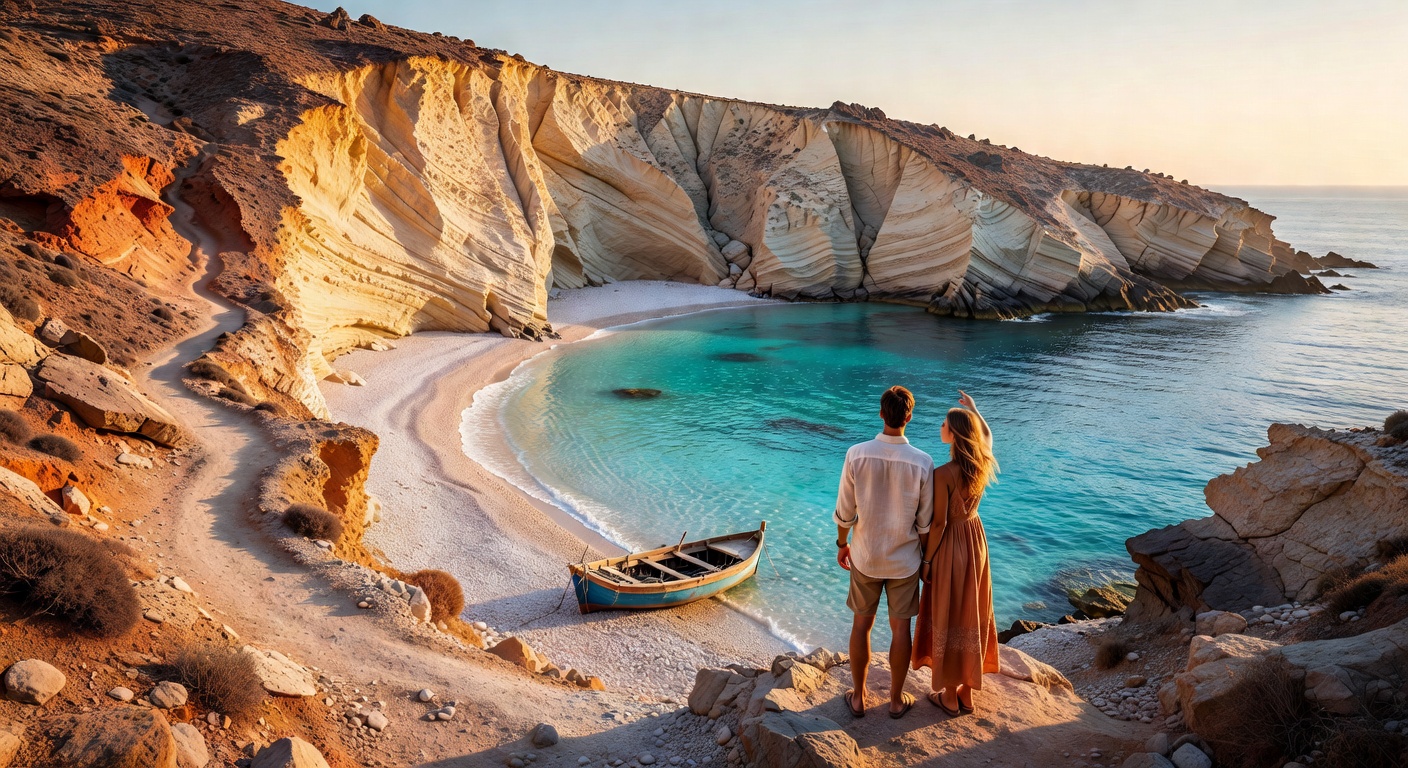
This hidden gem lives up to its name as a "secret beach." Accessing Tsigrado requires scrambling down a narrow cliff path (nothing dangerous, just thrilling), but you'll be rewarded with powder-soft sand and crystalline waters in a secluded cove. Bring sturdy sneakers, minimal luggage, and plenty of water. It's perfect for travelers seeking solitude and authentic beach experiences.
Firiplaka: The Relaxed Alternative
If you want a major beach without the intensity, Firiplaka delivers. This long sandy stretch backed by impressive cliffs offers a laid-back vibe perfect for a full beach day. Multiple tavernas nearby mean you can grab fresh seafood without leaving your sun lounger.
Papafragas & South Coast Treasures
Papafragas is a compact but stunning cove ringed by white cliffs—manageable crowds but maximum visual impact. The south coast holds additional gems worth exploring, each offering unique color combinations of rock and water.
Beyond Beaches: Must-See Attractions
Kleftiko: The Boat Tour Essential
Kleftiko's sea caves and dramatic white cliffs are inaccessible by road, making a boat tour non-negotiable. These tours typically include swimming breaks and sometimes lunch on board. The turquoise water and otherworldly rock formations justify the splurge—budget €40-50 per person.
Explore the Volcanic Personality
Milos is fundamentally volcanic, and the island's landscape reflects this dramatic geology. Beyond Sarakiniko, explore Palaiorema Beach's colorful rock formations and visit the abandoned sulphur mines for insight into Milos's industrial past. The Lakkos hot springs offer a unique thermal experience—check conditions before visiting, as access can be inconsistent.
Plaka: The Heart of the Island
This charming capital sits atop a hillside with narrow whitewashed streets leading to a central square. Wander aimlessly through the alleys, sip Greek coffee at a village cafe, and watch the sunset from the castle ruins overlooking the entire island. Plaka captures everything romantic about the Greek islands in concentrated form.
Trypiti: Windmills & Authentic Life
This traditional village offers windmills, stone houses, and sweeping views of the south coast. It's home to both the ancient theatre and the Catacombs of Milos, making it a cultural hub worth at least a few hours of exploration.
Adamas: Your Arrival Point
As the main port, Adamas will likely be your entry point. Beyond ferry logistics, the waterfront is genuinely pleasant with good restaurants and the beautiful Church of the Dormition of the Virgin Mary. Don't dismiss it as merely functional.
Pollonia: The Fisherman's Respite
This northeastern fishing village has genuine character without pretense. Waterfront tavernas serve fresh catches, and the relaxed atmosphere makes it an ideal alternative base to busier towns. Boat tours to nearby islands depart from here.
Historical & Cultural Stops
The Catacombs: Journey Underground
Dating to the 1st century, these underground burial chambers represent one of Greece's most important early Christian sites. The labyrinthine corridors offer a tangible connection to ancient religious life. Budget 45 minutes for the visit; tours are typically guided.
The Mining Museum: Geology Made Personal
Milos has supplied minerals for millennia. This museum uses interactive exhibits to explain the island's geological significance and mining heritage. It's educational without being dry—particularly valuable on a rainy afternoon.
Practical Travel Tips for Milos
Getting Around: Rent a car or quad bike for maximum flexibility. The island is small enough to navigate in a day, but driving lets you discover hidden pullouts and local beaches absent from standard maps.
Accommodation: Stay in Plaka for charm and sunset views, Adamas for convenience and ferry access, or Pollonia for a quieter village experience. Book ahead during July-August.
Best Time to Visit: May-June and September-October offer warm weather, manageable crowds, and calm seas ideal for boat tours. August brings peak tourists; April and November are cooler but beautifully quiet.
Boat Tours: These are essential for Kleftiko and full-island experiences. Book through your hotel or directly at the port. Morning departures typically offer the best light and calmer conditions.
Beach Essentials: Bring water shoes for rocky beaches, high SPF sunscreen (the reflection off white rock intensifies sun exposure), and a reusable water bottle. Several beaches lack facilities.
The Bottom Line
Milos rewards curiosity. The island's combination of geological wonders, cultural depth, and authentic village charm makes it more interesting than many better-known alternatives. Whether you're photographing Sarakiniko's alien landscape, exploring ancient catacombs, or simply eating fresh fish at a family taverna, you'll understand why Greeks have treasured this island for centuries—and why savvy travelers are just discovering it.