When Paradise Becomes a Problem
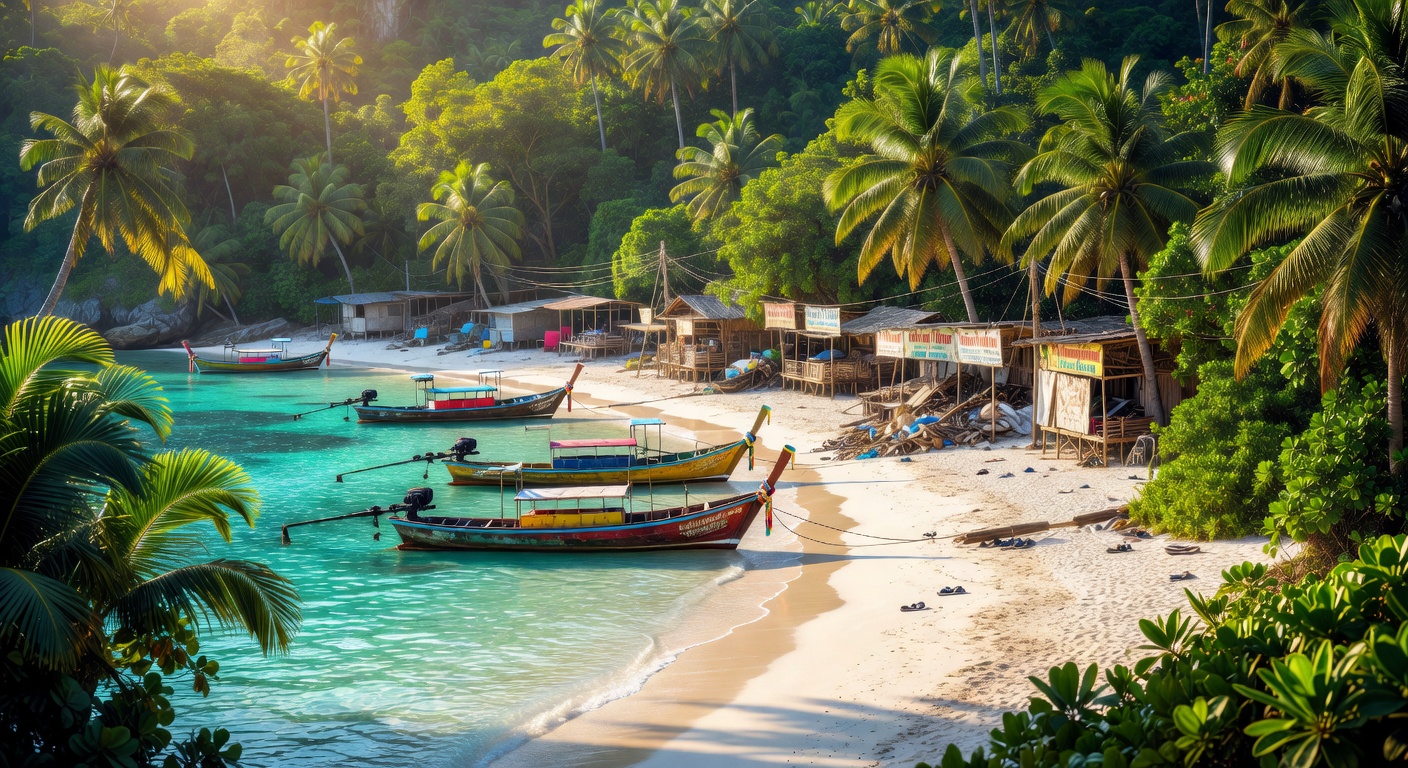
I'll be honest with you — I went to Ko Lipe with stars in my eyes. After seeing countless Instagram posts of crystal-clear waters and pristine beaches, I was convinced I'd found Thailand's best-kept secret. But stepping off that longtail boat, I realized I wasn't the only one who'd gotten the memo.
Ko Lipe isn't a hidden gem anymore. It's a cautionary tale.
The Reality Check That Hit Hard
What used to be a sleepy fishing village inhabited by the Chao Leh (sea nomad) people has transformed into something that would make Phuket blush. The beaches that once hosted maybe a dozen backpackers now groan under the weight of thousands of daily visitors.
The Numbers Don't Lie
During peak season, this tiny 4-square-kilometer island welcomes up to 5,000 visitors daily. To put that in perspective, that's like cramming the entire population of a small town onto an area smaller than Central Park. Every. Single. Day.
The infrastructure simply can't handle it. Walking Street (ironically named, since walking is nearly impossible during peak hours) becomes a human traffic jam of tourists clutching Chang beers and hunting for the perfect sunset spot.
What Nobody Tells You About Ko Lipe
The Environmental Cost
Here's what really got to me: the coral reefs that make Ko Lipe famous are dying. Years of boat anchors, sunscreen chemicals, and sheer volume of swimmers have taken their toll. The vibrant underwater world in those Instagram posts? Much of it exists only in carefully angled photos now.
The waste management situation is heartbreaking. This remote island wasn't designed to handle the garbage output of a small city, and it shows.
The Cultural Impact
The indigenous Chao Leh people, who called this place home for generations, have largely been pushed to the margins of their own island. Their traditional way of life has been overwhelmed by the tourism tsunami.
It's a pattern I've seen repeated across Southeast Asia, but it hit differently on Ko Lipe because of how recent and rapid the transformation has been.
The Practical Headaches
Beyond the ethical concerns, Ko Lipe presents some serious practical challenges for travelers:
Getting there is expensive and complicated. You'll need to book flights to Hat Yai, then arrange transfers to Pak Bara pier, followed by a speedboat ride that costs around 600-800 baht. The whole journey can take 6-8 hours and cost more than some international flights.
Accommodation prices are inflated. Basic beach bungalows that would cost 500 baht elsewhere start at 1,500 baht here. During Chinese New Year or European summer holidays, forget about finding anything decent under 3,000 baht.
Limited dining options with tourist prices. That pad thai you'd pay 60 baht for in Bangkok? It's 180 baht here, and probably not as good.
Better Alternatives That Won't Break Your Heart (or Budget)
Instead of contributing to Ko Lipe's overtourism problem, consider these incredible alternatives:
Ko Kradan
Less than an hour from Ko Lipe, this gem offers similar beauty with a fraction of the crowds. The coral reefs here are still thriving, and you can actually find stretches of beach to yourself.
Ko Ngai (Koh Hai)
Slightly more developed than Ko Kradan but still maintaining its charm. The snorkeling is fantastic, and the sunset views rival anything Ko Lipe offers.
Ko Bulone
For the truly adventurous, this island offers the Robinson Crusoe experience that Ko Lipe once provided. Basic accommodation, incredible nature, and practically zero crowds.
If You Must Go to Ko Lipe...
I get it — sometimes plans are already made, or you're curious to see it for yourself. If you do decide to visit, here's how to do it more responsibly:
Visit during shoulder season (April-May or September-October) when crowds are manageable and prices reasonable.
Book your eSIM before arriving to avoid the inflated data packages sold on the island.
Stay longer rather than day-tripping. Ironically, overnight visitors often have less environmental impact per day than the speedboat day-trippers.
Choose accommodation owned by local families rather than outside investors when possible.
Bring reef-safe sunscreen and avoid touching or standing on coral.
The Bigger Picture
Ko Lipe's story isn't unique — it's playing out across Southeast Asia as social media democratizes travel and budget airlines make remote destinations accessible. The challenge is finding the balance between economic development and preservation.
As travelers, we vote with our feet and our wallets. Every destination choice sends a message about the kind of tourism industry we want to support.
My Final Take
Ko Lipe taught me that sometimes the most loving thing you can do for a place is to not visit it — at least not right now. There are countless incredible islands in Thailand that could use your tourist dollars more and give you a better experience in return.
Save Ko Lipe for when (if) it figures out sustainable tourism. In the meantime, discover somewhere new. Trust me, Thailand has plenty of paradise to go around.
What do you think? Have you had similar experiences with over-touristed destinations? I'd love to hear your thoughts in the comments.