... (with markdown formatting for the content itself)
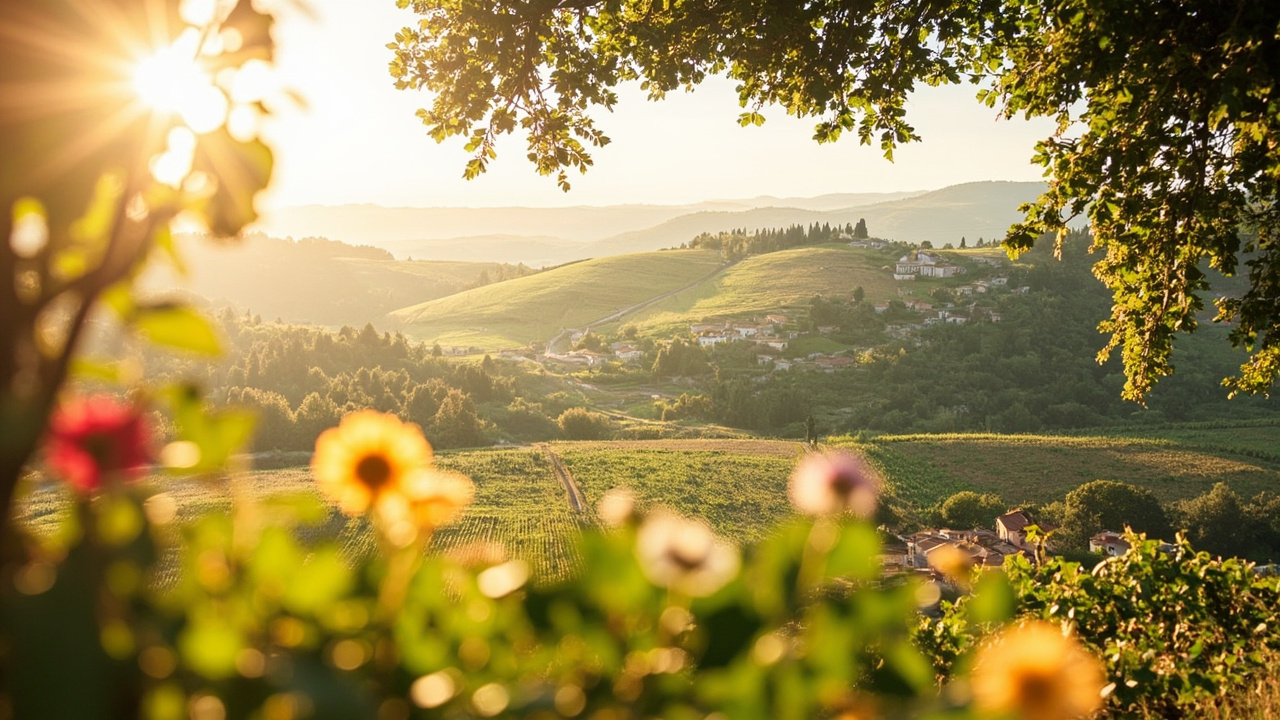
There's something almost cinematic about pulling up to a Tuscan farm stay. Rolling hills bathed in golden afternoon light, rows of cypress trees standing sentinel along country roads, and the distant silhouette of a centuries-old farmhouse surrounded by olive groves and vineyards. After years of chasing bucket-list destinations that left us jet-lagged and overwhelmed, my family discovered that the best travel memories aren't made in museums or on guided tours — they're made over shared plates of homemade pasta, glasses of local Chianti, and evenings spent watching fireflies dance across ancient farmland.
What Exactly Is an Agriturismo?
For those unfamiliar with the term, "agriturismo" is Italy's beautiful solution for travelers seeking authentic rural experiences. These working farms open their doors to guests, offering accommodations that range from rustic converted barns to elegantly restored villas. But here's what makes them special: by law, the food served must come from the farm itself. That means the vegetables in your minestrone were harvested that morning, the olive oil drizzled over your bread was pressed from trees you can see from your window, and the wine in your glass carries the literal terroir of the land beneath your feet.
Why Tuscany, Specifically?
Tuscany has perfected the agriturismo concept more than anywhere else in Italy. The region around Siena — particularly the Crete Senesi and Chianti regions — offers an embarrassment of rural riches. Imagine waking up to the sound of cicadas, spending afternoons wandering through medieval hill towns, and returning to a farmhouse where Nonna herself might be rolling out fresh pasta. The pace here isn't just slower — it feels like stepping back into a simpler era.
Our Stay at a Tuscan Farm Stay: What to Expect
When we arrived at our agriturismo tucked into the hills outside Siena, the GPS had led us down a gravel road so narrow that passing another car seemed impossible. My first thought was "we've made a terrible mistake." That thought evaporated within minutes of meeting our hosts.
The farmhouse itself was everything we'd hoped for: terracotta floors, exposed wooden beams, and windows framing views that looked like Renaissance paintings come to life. Our apartment was spacious enough for our family of four, with a kitchen stocked with farm-fresh eggs, bread, and preserves. The children immediately discovered the farm's resident cats, and I discovered the farm's wine cellar.
The Food: A Culinary Education
I need to talk about the food, because it genuinely transformed how our family eats. Breakfasts featured endless baskets of warm bread,local honey, and pastries still warm from the oven. Dinners were communal affairs — long tables where guests from different countries shared bottles of wine and compared notes on the day's adventures. The pasta was hand-made daily. The meats were cured in-house. The vegetables came from the kitchen garden visible through the dining room windows.
Our children, who back home turn their noses up at most vegetables, devoured roasted peppers, zucchini, and beans they had helped pick earlier that afternoon. There's something about knowing where food comes from that changes how it tastes — and how children relate to eating it.
Daily Life at the Farm
Every agriturismo operates differently, but common activities include cooking classes (typically focused on fresh pasta and regional sauces), wine tastings featuring the estate's own vintages, and tours of the olive groves and wine cellars. Many farms offer olive oil tastings that will make you realize everything you've been buying at the supermarket is essentially colored water in comparison.
We spent one afternoon learning to make tagliatelle from a local woman who spoke minimal English but communicated everything through demonstration and laughter. Our children still talk about that pasta-making class more than any museum or landmark we visited in Italy.
Practical Tips for Planning Your Stay
Choosing the right agriturismo requires some research. Consider these factors:
Location matters, but don't obsess over it. Some travelers want proximity to Siena or Florence for day trips; others want complete immersion in the countryside. Both are valid approaches, but remember that Tuscan backroads are part of the adventure. A location that seems "far" from cities often feels wonderfully isolated and authentic.
Book directly when possible. While platforms like Booking.com offer convenience, booking directly with the farm often means better rates, room upgrades, and more flexibility. Many agriturismos offer half-board options (dinner included) that represent exceptional value given the quality of food served.
Pack appropriately. Country living means unpaved paths, uneven floors in historic buildings, and a certain charming imperfection. Leave the fancy luggage and high heels at home. Bring comfortable walking shoes, layers for cool evenings, and an open heart.
Rent a car, full stop. Public transportation in Tuscan countryside is essentially nonexistent. A compact car is essential — and driving these winding roads through vineyards and past medieval villages is half the experience.
Embrace the pace. The beauty of farm stays lies in their deliberate slowness. Resist the urge to fill every day with sightseeing. Spend one afternoon doing nothing but reading in the garden. Watch the sunset from the terrace. Let the rhythms of farm life — morning coffee on the patio, long lunches, evening aperitivos — become your schedule.
Is It Right for Your Family?
Agriturismos genuinely work for every type of traveler. Families with young children appreciate the space to run, the animals to visit, and the forgiving atmosphere when schedules go sideways. Couples find romance in candlelit dinners and starlit evenings. Solo travelers discover community at communal tables and connection through shared meals.
The one caveat: this isn't resort living. Historic buildings have character, which sometimes means creaky floors, temperamental Wi-Fi, and plumbing that requires patience. Go in expecting rustic charm, not polished resort amenities.
Why This Matters
In an age of curated Instagram feeds and perfectly staged travel content, agriturismos offer something increasingly rare: genuine human connection and authentic place-based experiences. You're not visiting Tuscany — you're living in it, even if just for a few days.
Our children still ask when we can go back to "our farm in Italy." We've explained that it wasn't really "our" farm, but they understand something important: for a few magical days, it felt like ours. We belonged there in a way that no hotel chain could replicate.
That's the secret of the Tuscan farm stay. It doesn't just show you a new place — it shows you a different way of being in a place. And it might just change how you think about travel altogether.
Ready to plan your Tuscan farm stay adventure? Start researching agriturismos in the Siena area and Chianti region, book early for peak seasons (spring and fall), and prepare for an experience that will leave your family with memories and a newfound appreciation for slow travel, local food, and the simple pleasures of countryside life.