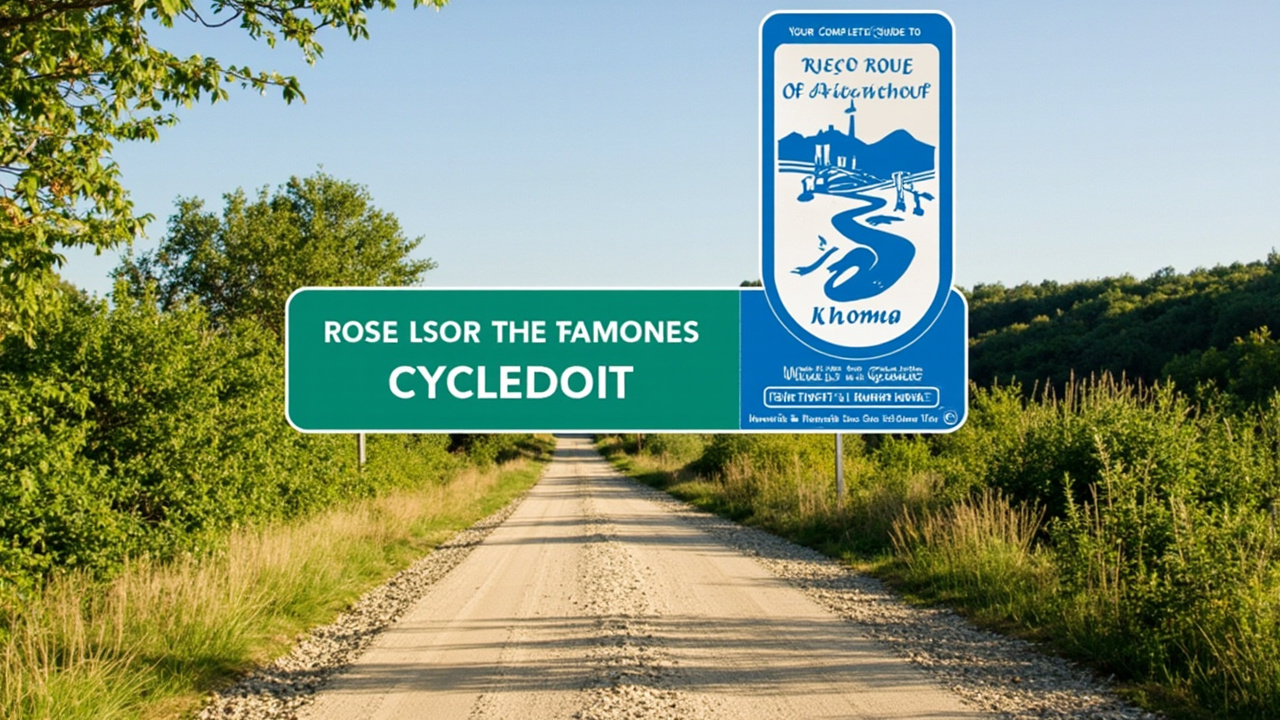
Your Complete Guide to Cycling the Route of the Hiawatha Trail in 2026
Picture yourself gliding through the misty mountains of the Idaho-Montana border, sunlight filtering through towering pines as you pedal through a railroad tunnel carved over a century ago. That's the magic waiting on the Route of the Hiawatha — and honestly, it exceeded every expectation I had going in.
What Makes This Trail Special
The Hiawatha isn't just another bike path. This 15-mile rail-to-trail experience follows the path of the historic Milwaukee Road, the Pacific Northwest's beloved (and now legendary) railroad that operated from 1909 to 1980. What makes this route absolutely unforgettable is the combination of ten historic tunnels and five scenic bridges that carry you through some of the most dramatic mountain terrain in the Northwest.
You're not just cycling — you're traveling through history.
Planning Your Adventure
Timing matters. The trail typically opens in late May and runs through mid-September, with peak season hitting in July and August. If you want smaller crowds and don't mind cooler temps, late May or early September offer fantastic conditions.
Shuttles are essential. Unlike point-to-point trails, you'll need a shuttle service to return you to your starting point. Several reputable operators run this service, and honestly, booking ahead is non-negotiable during summer months. Your shuttle ticket typically costs around $15-20 and includes the trail fee.
What to Bring
Here's my honest packing list after riding it twice:
- Layers, layers, layers — Mountain weather changes fast, and you'll want options
- Headlamp or bike light — Those tunnels are long and darker than you'd expect
- Water and snacks — Services are limited once you're on the trail
- Sunscreen — Even cloudy days at altitude will catch you off guard
- A sense of adventure — Because the views will demand it
The Ride: What to Expect
Starting from the Lookout Pass trailhead, you'll begin your descent almost immediately. The first several miles offer a gentle downhill grade — perfect for warming up while taking in the canyon views. Then comes the fun part: the tunnels.
Tunnel 1 feels exciting. Tunnel 5 feels legendary. Each one is slightly different in length and atmosphere, with the longest stretching over a mile underground. If you're cycling with kids or nervous first-timers, note that the darkness and occasional dripping water can be intimidating — but that's part of the adventure.
The bridges come after the tunnels, and crossing them offers some of the best photo opportunities on the entire route. The famous Taft Bridge hovers 230 feet above the ground — yes, you read that right — and provides views that will make your palms sweat in the best possible way.
Who Can Handle This Ride?
Here's the beautiful thing: the trail is forgiving. The consistent downhill grade (around 2% average) means you can complete the route on a basic mountain bike, hybrid, or even a sturdy gravel bike. It takes most riders 2-4 hours depending on how often you stop to stare at the scenery (you'll stop a lot).
However, there are no bathroom facilities, no water stations, and limited cell service. Treat it like the wilderness adventure it is.
Making the Most of Your Trip
Consider pairing your Hiawatha ride with a stay in Wallace, Idaho — a charming mining town with great food and interesting history. Or extend your adventure by exploring the surrounding Coeur d'Alene Mountains if you have extra days.
Final Thoughts
I've ridden rail trails across three continents, and the Route of the Hiawatha consistently ranks in my top three. The combination of history, engineering, natural beauty, and that perfect downhill flow creates something genuinely special.
Put it on your bucket list. Then actually book it.
Have you ridden the Hiawatha? Share your experience in the comments below — I'm always looking for tips for my next visit!