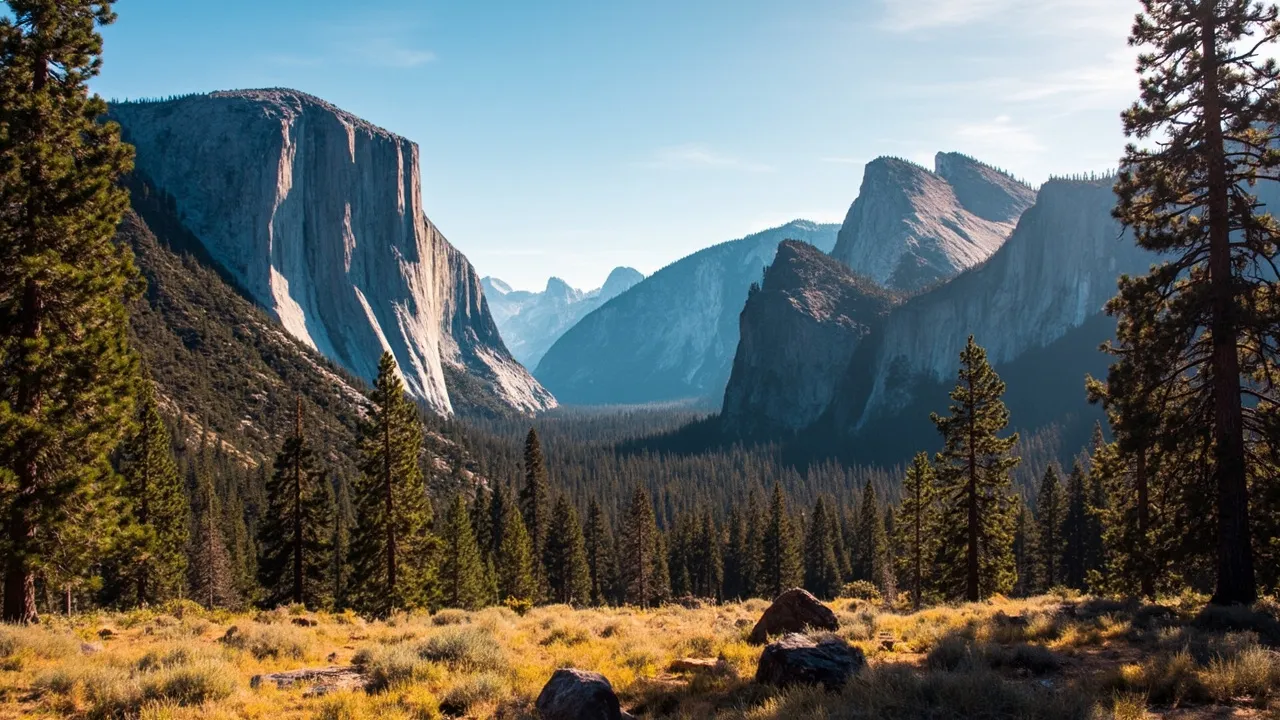
The Ultimate 6-Day California Mountain Loop: Yosemite, Kings Canyon & Sequoia
I've done this route twice now, and each time I come back wondering why more people don't make this their primary reason to visit California. Yes, the beaches are iconic. Yes, San Francisco has its charm. But pile your family into a rental car and point it toward the Sierra Nevada, and you'll discover why locals guard these parks like state secrets.
This 200-mile loop connects Yosemite, Kings Canyon, and Sequoia National Parks into one seamless adventure. You could technically blitz through in three days. I strongly advise against it.
The Logistics That Actually Matter
Getting There: Fresno Is Your Friend
Here's a tip that will save you four hours of driving each way: fly into Fresno, not Los Angeles or San Francisco. Fresno sits just an hour from Yosemite's south entrance and under an hour from both Kings Canyon and Sequoia. Coming from LA or SF? You're adding 3-4 hours of windshield time before you even reach the first trailhead.
That America the Beautiful Pass
Yosemite charges $35 per vehicle. Kings Canyon and Sequoia together run another $35. The interagency pass costs $80 and covers all three—plus every other national park in America for an entire year.
It pays for itself before you finish Day 2.
Buy it before you leave home or grab one at any park entrance station. Keep it visible on your dashboard.
Do You Need Reservations?
Yosemite no longer requires timed entry permits, which is great news. What you absolutely must book ahead: accommodations inside the park. Curry Village, Yosemite Valley Lodge, The Ahwahnee—these fill months in advance, especially in summer.
Planning to summit Half Dome? You'll need a permit. Apply early through recreation.gov.
Why Six Days Is the Sweet Spot
You can cover the territory faster. I've done it in three, and I spent those evenings collapsed in hotel parking lots, too exhausted to appreciate what I'd just seen.
Six days lets you:
- Hike the Mist Trail without watching the clock
- Drive the Kings Canyon Scenic Byway without rushing
- Stand beneath General Sherman and actually feel small
- Eat a proper dinner instead of gas station snacks every night
- Stop when something catches your eye instead of white-knuckling the steering wheel
Day-by-Day Breakdown
Days 1-2: Yosemite Valley
Two full days minimum here. The Mist Trail to Vernal Falls (3 miles round trip) is manageable for most fitness levels—expect wet conditions from the spray, so bring layers you don't mind soaking.
For older kids or adventurous adults, push on to Nevada Falls (7 miles round trip) for a more serious workout with equally serious views.
Glacier Point is non-negotiable. On a clear afternoon, you'll understand why Ansel Adams spent half his career photographing this place.
If you have a third day, add Mariposa Grove or Taft Point.
Days 3-4: Kings Canyon and the Scenic Byway
Most visitors skip this park entirely, which is their loss. Highway 180 drops 4,000 feet into one of North America's deepest canyons in what feels like minutes. The walls close in on both sides. The Kings River runs turquoise below.
This is one of the most dramatic drives in California, and it costs you nothing extra since one entrance fee covers both Kings Canyon and Sequoia.
Base yourself at Cedar Grove or head back to Visalia each evening—more on that below.
Days 5-6: Sequoia and the Giant Forest
General Sherman Tree is the largest tree on Earth by volume. Standing at its base, you stop counting. The scale simply doesn't compute.
Don't miss Moro Rock, a granite dome with 360-degree views that will make your camera feel inadequate. The Congress Trail winds through ancient groves where trees have been growing since before the pyramids.
The Best Base Camp You've Never Considered
Everyone wants to stay inside the parks. I'm here to tell you about Visalia.
This mid-sized city offers real restaurants, comfortable hotels, and prices that won't make you wince. Kings Canyon is about 90 miles northeast; Sequoia's main entrance is roughly 45 miles. You can comfortably day-trip both parks and return each night to actual civilization.
The trade-off? Longer drives each morning. The payoff? Not eating instant noodles for six consecutive dinners.
When to Go
Late September through early October is my top recommendation. Summer crowds have thinned, all roads remain open, and daytime temperatures are perfect for hiking.
July and August work, but expect crowds—especially in Yosemite Valley. Winter closures become likely after late October or early November, with some roads closing as early as late May in heavy snow years.
Spring offers wildflowers and rushing waterfalls, but check road conditions before committing. Mother Nature doesn't negotiate.
Final Thoughts
This loop won't show up on most "best of California" lists. That's precisely why it's so good. While tourists queue at Hollywood Boulevard, you'll be standing in silence among trees that were ancient when Rome was young.
The mountains are waiting. Your rental car's gassed up. Somewhere between Fresno and the Sequoias, California's real heart beats loudest.
Pack light, leave early, and take the long way home.