
The Digital Gatekeepers Are Everywhere
You know that moment when you're excitedly clicking through to read about a dreamy destination, only to be stopped dead in your tracks by one of those "I'm not a robot" checkboxes? Yeah, we've all been there. It's like having a bouncer at every digital door, and honestly, it's getting a bit ridiculous.
But here's the thing that got me thinking: these bot verification systems aren't just protecting websites from spam anymore. They're fundamentally changing how we discover new places to visit.
When Security Meets Wanderlust
I was recently trying to research some off-the-beaten-path destinations (you know, the kind that make your Instagram followers actually jealous), and I kept running into these verification walls. At first, I was just annoyed. But then I realized something interesting was happening.
These security measures are creating an interesting filter effect. The casual browsers get discouraged and bounce off to easier-to-access content, while the truly motivated travelers push through multiple verification screens to get to the good stuff. It's like a digital version of hiking to that secret waterfall – the extra effort keeps the crowds away.
The Irony of "Authentic" Discovery
Here's where it gets really fascinating. Travel sites are implementing these bot checks to protect their content from automated scrapers and fake traffic. But in doing so, they might accidentally be preserving something we're all desperately seeking: authenticity.
Think about it – if you have to prove you're human to access information about a destination, that place is probably still relatively undiscovered by the masses. It's like a natural filter that keeps the tourist hordes at bay, at least digitally speaking.
The Flip Side: Accessibility Concerns
Of course, there's a downside to all this verification madness. Not everyone has the patience (or technical savvy) to navigate multiple security checks just to read about a potential vacation spot. We might be inadvertently creating a two-tiered system where only the most persistent travelers get access to certain information.
And let's be honest – some of these verification systems are genuinely terrible. I've spent way too much time identifying traffic lights in blurry photos just to read a simple travel blog post. There has to be a better way, right?
What This Means for Future Travel Planning
As these verification systems become more sophisticated, I think we're going to see some interesting changes in how we plan our adventures:
- Slower, more intentional research – No more mindless clicking through dozens of destination articles
- Premium access models – Sites might start offering verification-free browsing for registered users
- AI-powered recommendations – Since humans are proving they're human, AI might step in to curate better travel suggestions
Finding Balance in the Digital Age
Look, I get why these verification systems exist. Nobody wants their travel website turned into a spam wasteland. But as someone who loves discovering hidden gems through online research, I hope we can find a middle ground.
Maybe the solution isn't fewer verification checks, but smarter ones. Systems that can tell the difference between a curious traveler and a malicious bot without making us all feel like we're taking a digital SAT test.
Until then, I guess we'll keep proving we're human, one CAPTCHA at a time. At least it's good practice for when the robots actually do take over, right?
What's your experience with these verification systems while travel planning? Drop a comment – I promise you won't need to solve any puzzles to do it!
Tags
Related Articles

Your Complete Guide to the Best eSIM for Italy in 2024
Don't let poor Wi-Fi ruin your gelato stops or leave you stranded without Google Maps in the Italian countryside. Here's everything you need to know about staying connected with an eSIM for Italy.

eSIM for International Travel in 2026: Your Complete Guide to Staying Connected Abroad
The days of fumbling with tiny SIM cards at foreign airports or paying outrageous roaming fees are fading fast. eSIM technology has revolutionized how we stay connected while exploring the world, and choosing the right one can save you money and headaches on your next trip.

Best Holafly eSIM Plans for Long-Term Travelers in 2024
If you're planning an extended trip abroad, staying connected without racking up huge roaming fees is essential. Holafly offers some of the most flexible eSIM options for travelers spending weeks or months overseas—here's what you need to know before you buy.

25 Best Travel Apps for 2026: The Ones We Actually Use Every Day
After years of testing hundreds of travel apps on the road, we've narrowed it down to these 25 essentials that actually make a difference. From AI-powered trip planning to keeping your data connected abroad, here's everything you need to download before your next adventure.
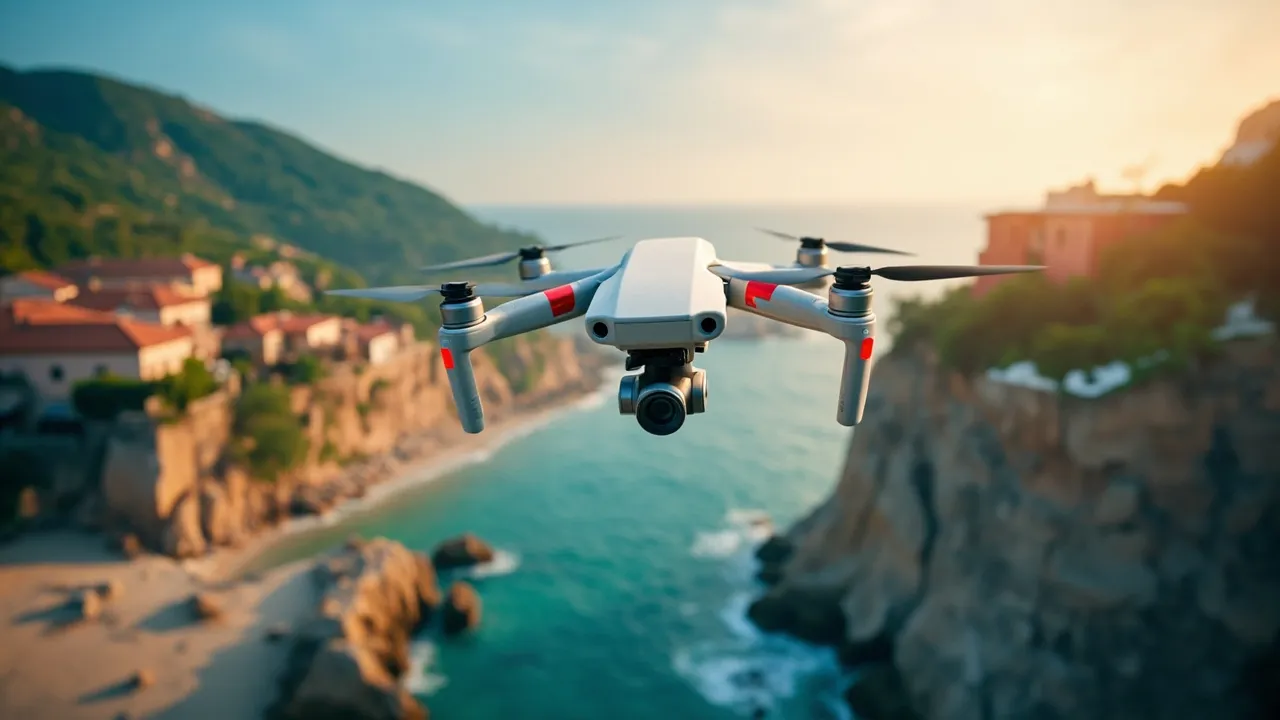
Can Drones Really Improve Your Travel Photos? Here's What You Need to Know
Drone technology has exploded in popularity among travelers, but is it worth the investment? We break down the practical benefits, legal considerations, and realistic expectations for capturing your adventures from the sky.

Why I Finally Ditched My Travel SIM Cards for eSIMs (And You Should Too)
After years of fumbling with tiny SIM cards and hunting down phone shops in foreign countries, I discovered something that completely changed how I stay connected while traveling. Here's why switching to eSIMs was one of the smartest travel decisions I've ever made.